
Travel Guide
Varanasi, also known as Kashi and Banaras, is one of the world's oldest continuously inhabited cities and one of the most sacred destinations in Hinduism. Located on the banks of the River Ganga in Uttar Pradesh, India, the city attracts millions of pilgrims, spiritual seekers, photographers, historians, and travelers from around the globe every year.
The city is believed to be over 3,000 years old and has played a significant role in India's religious, cultural, philosophical, and educational history. Walking through its ancient lanes offers visitors a glimpse into traditions that have been preserved for centuries.
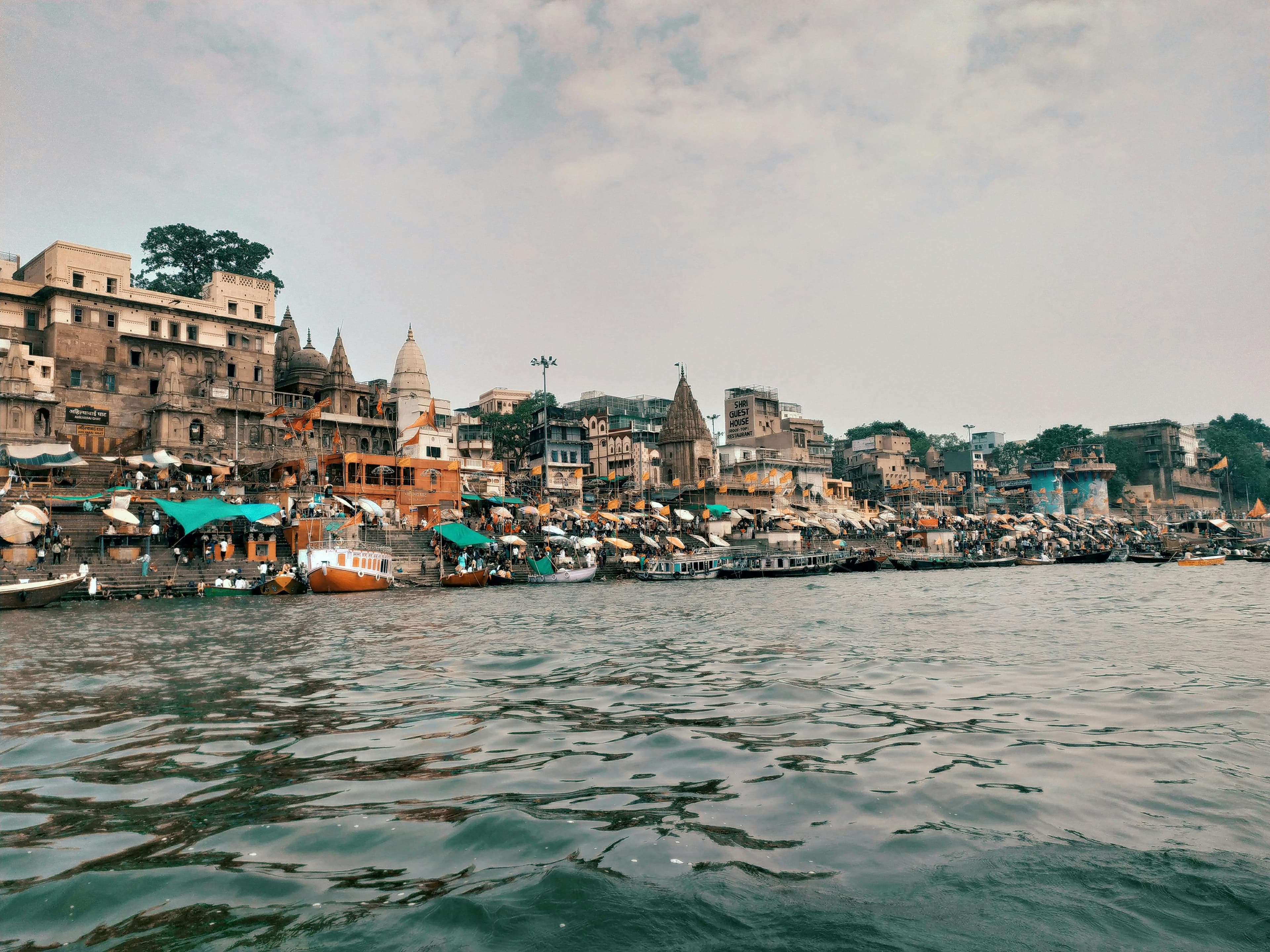
The ghats of Varanasi are the heart of the city's spiritual life. More than 80 ghats line the banks of the River Ganga, each with its own history, religious significance, and unique atmosphere.
Dashashwamedh Ghat is the most famous ghat in Varanasi and the primary location for the spectacular evening Ganga Aarti ceremony. Every evening, priests perform synchronized rituals with lamps, incense, chants, and devotional music, creating one of India's most memorable spiritual experiences.
Assi Ghat is popular among tourists, students, yoga enthusiasts, and travelers seeking a peaceful atmosphere. Early morning yoga sessions, cultural programs, and beautiful sunrise views make it one of the city's most enjoyable locations.
Manikarnika Ghat and Harishchandra Ghat are among the most sacred cremation ghats in Hinduism. Visitors should observe these areas respectfully and avoid intrusive photography.
A sunrise boat ride on the River Ganga is considered one of the best experiences in Varanasi. The early morning hours provide stunning views of the ghats, temples, pilgrims, and daily rituals that take place along the riverbank.
The Kashi Vishwanath Temple is one of the most important Hindu temples dedicated to Lord Shiva. Recently redeveloped through the Kashi Vishwanath Corridor project, the temple area offers improved access and facilities for pilgrims and visitors.
Sankat Mochan Hanuman Temple, Durga Temple, Tulsi Manas Temple, Bharat Mata Temple, and New Vishwanath Temple at Banaras Hindu University are other important religious sites worth visiting.
Sarnath, located approximately 10 kilometers from Varanasi, is one of Buddhism's most important pilgrimage destinations. It was here that Gautama Buddha delivered his first sermon after attaining enlightenment. Major attractions include Dhamek Stupa, Chaukhandi Stupa, archaeological ruins, and museums.
Banaras Hindu University (BHU) is one of Asia's largest residential universities and an important educational and cultural landmark. Its campus offers peaceful surroundings and beautiful architecture.
The narrow lanes of old Varanasi are full of temples, local shops, silk traders, street food vendors, traditional musicians, and artisans. Exploring these historic streets is an experience in itself.
Varanasi is globally famous for Banarasi silk sarees. Visitors interested in traditional Indian textiles can visit weaving centers and local markets to learn about the craftsmanship behind these world-renowned products.
Food is an important part of the Varanasi experience. Popular local dishes include Kachori Sabzi, Tamatar Chaat, Chena Dahi Vada, Baati Chokha, Malaiyyo (seasonal winter delicacy), Rabri, Jalebi, Lassi, and the famous Banarasi Paan.
The best time to visit Varanasi is from October to March when temperatures are comfortable for sightseeing, boat rides, and outdoor exploration. Winter mornings often create beautiful misty views over the Ganga River.
Major festivals such as Dev Deepawali, Maha Shivaratri, Ganga Mahotsav, Kartik Purnima, and Diwali provide extraordinary cultural experiences and attract visitors from around the world.
Varanasi is well connected by air, rail, and road. Lal Bahadur Shastri International Airport serves domestic and international travelers, while Varanasi Junction and Banaras Railway Station connect the city with major destinations across India.
Accommodation options range from budget hostels and guesthouses to luxury riverside hotels, heritage properties, boutique stays, and international-standard hotels. Many travelers prefer staying near the ghats for easy access to major attractions.
Visitors should dress modestly when entering temples and religious sites. Comfortable footwear is recommended as exploring the old city often involves extensive walking through narrow streets and uneven pathways.
Photography enthusiasts will find endless opportunities in Varanasi, from sunrise boat rides and ancient temples to colorful festivals, local markets, traditional ceremonies, and daily life along the ghats.
Responsible tourism is essential in Varanasi. Visitors should respect religious practices, ask permission before photographing individuals, avoid disturbing ceremonies, and maintain cleanliness in public areas.
Popular nearby destinations include Sarnath, Chunar Fort, Vindhyachal, Prayagraj, and the Ramnagar Fort located across the Ganga River.
A 3 to 4-day itinerary is ideal for most travelers, allowing enough time to experience the ghats, temples, cultural activities, local food, river cruises, Sarnath, and the city's unique spiritual atmosphere.
Varanasi is not just a tourist destination but a living cultural and spiritual experience. Its timeless traditions, sacred riverfront, ancient temples, rich history, and vibrant daily life make it one of the most fascinating cities in the world for travelers seeking authentic Indian culture.