IndiaTripGuide
Spiti Valley travel guide

The Cold Desert of Himachal

Spiti Valley Travel Guide

Spiti Valley is one of India's most extraordinary high-altitude destinations, known for dramatic cold-desert landscapes, ancient Buddhist monasteries, remote Himalayan villages, rugged mountain roads, stargazing, fossil sites, and peaceful Spitian culture. Located in Himachal Pradesh between India and Tibet, it is ideal for road-trip lovers, photographers, bikers, trekkers, solo travelers, and adventure seekers looking for a raw Himalayan experience.

☀️

Best Time

May to October

Budget

₹25,000 - ₹55,000

🧭

Duration

6-8 Days

About

Why visit Spiti Valley?

A rich travel overview to help you understand the destination, its travel style, and the best way to experience it.

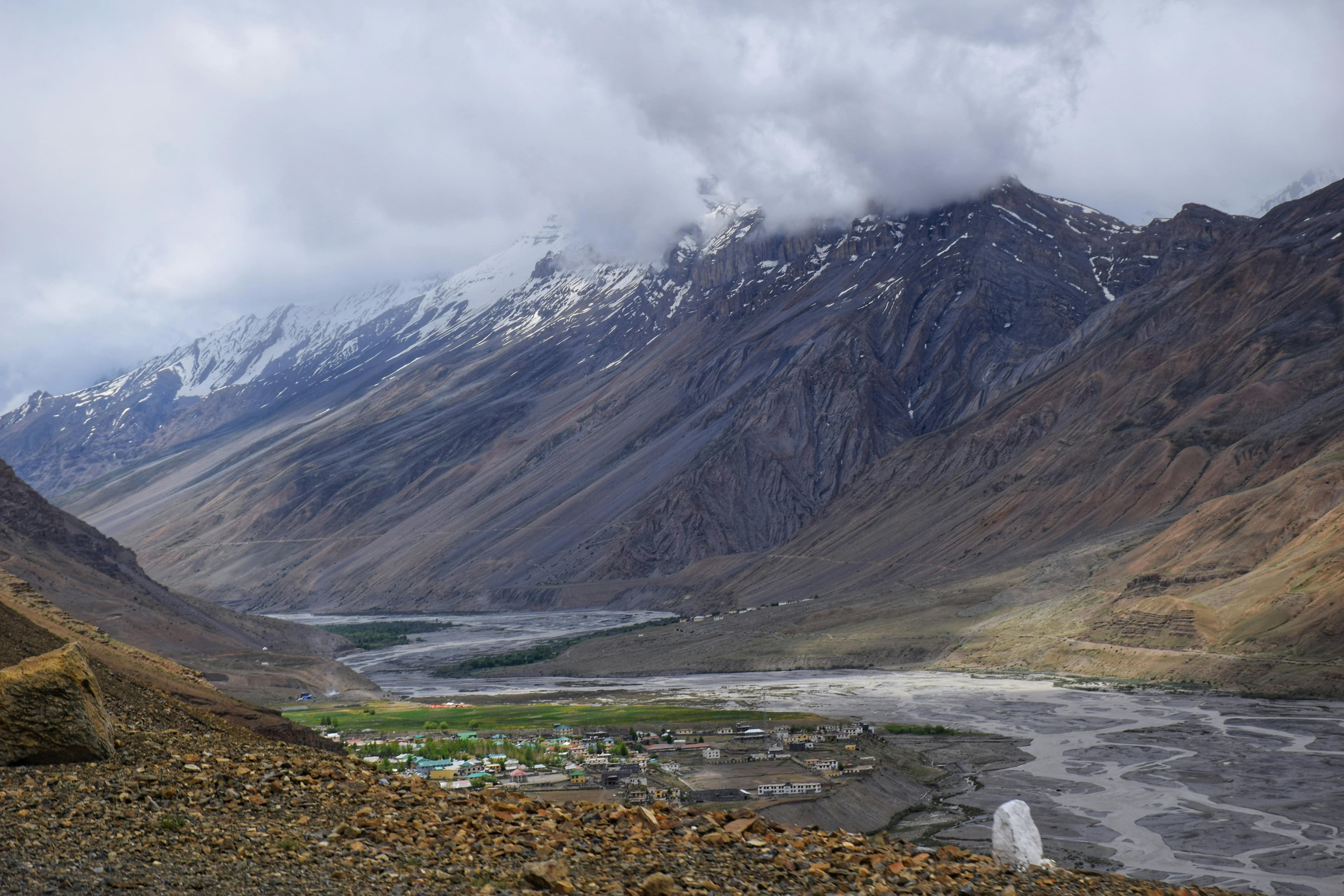
Spiti Valley is located in the northeastern part of Himachal Pradesh and is often called the Middle Land between India and Tibet. Its landscape is completely different from regular green hill stations, with barren mountains, deep valleys, ancient monasteries, prayer flags, mud houses, high-altitude villages, and clear blue skies.

Kaza is the main travel base of Spiti Valley. Most travelers use Kaza for accommodation, fuel, food, cafés, local markets, permits or travel arrangements, and day trips to nearby villages such as Key, Kibber, Langza, Hikkim, and Komic.

The region is deeply connected with Tibetan Buddhist culture. Key Monastery, Tabo Monastery, Dhankar Monastery, and smaller village monasteries are not only sightseeing spots but living spiritual centers where monks, rituals, murals, and centuries-old traditions continue to shape daily life.

Spiti is famous for some of India's most unique villages. Hikkim is known for one of the world's highest post offices, Komic is among the highest inhabited villages, Langza is famous for its giant Buddha statue and fossils, and Kibber offers dramatic views and access to wildlife-rich landscapes.

Chandratal Lake is one of the most beautiful high-altitude lakes connected with the Spiti route. Its blue water, mountain setting, camps, and night skies make it a highlight for photographers and adventure travelers, but access depends strongly on season and road conditions.

A Spiti Valley trip is as much about the road journey as the destination. The Shimla-Kinnaur-Spiti route allows gradual altitude gain, while the Manali-Kaza route offers dramatic high mountain scenery through rougher and more adventurous terrain when open.

Because Spiti lies at high altitude, acclimatization is very important. Travelers should avoid rushing the route, stay hydrated, keep buffer days, and plan overnight stops carefully to reduce altitude-related discomfort.

Spiti is best for travelers who value raw landscapes, simple stays, local culture, silence, photography, and adventure more than luxury facilities. A good trip should include slow village exploration, monastery visits, stargazing, local food, and enough time for unpredictable roads and weather.

Season Guide

Best time to visit Spiti Valley

Understand how the destination feels across seasons before choosing your travel dates.

Recommended Season

May to October is the best time to visit Spiti Valley because most roads are open, major villages are accessible, weather is relatively favorable, and attractions such as Key Monastery, Kaza, Pin Valley, Tabo, Dhankar, Langza, Hikkim, Komic, and Chandratal can usually be planned depending on conditions.

❄️

Winter

November to April brings extreme cold, heavy snowfall, limited road access, and very basic facilities in many areas. Winter Spiti is beautiful but challenging and is suitable mainly for experienced travelers who understand high-altitude weather, road closures, and limited services.

🌤️

Summer

May to June is a popular period when roads begin opening and weather becomes suitable for road trips. Daytime temperatures are more comfortable, but nights remain cold. This season is good for sightseeing, photography, monasteries, villages, and gradual acclimatization.

🌧️

Monsoon

Spiti itself receives limited rainfall because of its cold desert geography, but approach routes can be affected by landslides, especially around Kinnaur or the Manali side during July and August. Travelers should monitor road updates and keep buffer days during this period.

Attractions

Must-visit places in Spiti Valley

The most important places, viewpoints, temples, beaches, markets, landmarks, and nearby attractions to include in your plan.

01

Kaza

02

Key Monastery

03

Kibber Village

04

Langza Village

05

Hikkim Post Office

06

Komic Village

07

Chandratal Lake

08

Tabo Monastery

09

Dhankar Monastery

10

Dhankar Lake

11

Pin Valley National Park

12

Mud Village

13

Nako Village

14

Nako Lake

15

Gue Monastery

16

Losar

17

Kunzum Pass

18

Chicham Bridge

19

Lhalung Monastery

20

Demul Village

21

Sangla Valley

22

Chitkul

Experiences

Things to do in Spiti Valley

Use these ideas to create a deeper and more useful travel itinerary.

01

Visit Key Monastery and experience one of Spiti's most iconic spiritual landmarks

02

Explore Kaza town, local cafés, markets, and simple mountain life

03

Visit Kibber Village for dramatic landscapes and traditional Spitian architecture

04

Send a postcard from Hikkim Post Office

05

Visit Komic, one of the highest inhabited villages connected by road

06

Explore Langza and photograph the giant Buddha statue overlooking the valley

07

Search for marine fossils around Langza with responsible local guidance

08

Visit Tabo Monastery, one of the most important ancient monasteries in the region

09

Explore Dhankar Monastery and admire views of the Spiti and Pin river valleys

10

Visit Pin Valley National Park for cold-desert landscapes and wildlife interest

11

Plan a seasonal trip to Chandratal Lake when the road is open

12

Cross Kunzum Pass during the open-road season

13

Photograph Chicham Bridge and the surrounding canyon landscape

14

Stay in local homestays to experience Spitian hospitality and food

15

Try local dishes such as Thukpa, Momos, Tingmo, Butter Tea, and barley-based meals

16

Go stargazing or attempt night-sky photography in low-light-pollution areas

17

Take slow village walks to understand local life and architecture

18

Use the Shimla-Kinnaur-Spiti route for gradual acclimatization

19

Experience the Manali-Kaza route when open for a more adventurous road journey

20

Visit Nako and Nako Lake if entering through the Kinnaur side

21

Explore Sangla or Chitkul as part of a longer Spiti circuit

22

Keep time for photography, silence, and unplanned landscape stops instead of rushing

Food

Local food to try in Spiti Valley

Regional dishes, snacks, drinks, desserts, and food experiences worth trying.

ThukpaMomosTingmoButter TeaThenthukTsampaChhang where locally availableChurpeYak Cheese ProductsBarley-based MealsLocal Dal-Rice MealsTibetan NoodlesSpitian BreadHerbal TeaHomestay Meals

Transport

How to reach Spiti Valley

✈️

By Air

Bhuntar Airport near Kullu is the nearest airport, but connectivity is limited and weather can affect flights. Chandigarh Airport is often preferred for Spiti road trips because it has better flight options and works well for both Shimla-side and Manali-side routes.

🚗

By Road

Spiti Valley can be reached through two main road routes: the Shimla-Kinnaur-Spiti route and the Manali-Kaza route. The Shimla route is often preferred for gradual acclimatization, while the Manali route is shorter but higher and more rugged. Many travelers complete a circuit using both routes when roads are open.

🚆

By Train

There is no railway station in Spiti Valley. Chandigarh and Kalka are common railheads for travelers starting from the Shimla-Kinnaur route. From there, travelers continue by taxi, bus, self-drive vehicle, or organized road-trip services.

Stay

Where to stay in Spiti Valley

Choose your stay area and accommodation style based on comfort, budget, and itinerary.

🎒

Budget

Budget travelers can stay in homestays, hostels, and simple guesthouses in Kaza, Tabo, Kibber, Langza, Mud, and nearby villages. These stays are basic but offer local food, cultural interaction, and a more authentic Spiti experience.

🏨

Mid-range

Mid-range travelers can choose comfortable guesthouses, boutique stays, small hotels, and eco-lodges mainly in Kaza, Tabo, and selected villages. These options offer better rooms, meals, heating where available, travel support, and easier access to local sightseeing routes.

Luxury

Luxury options are limited in Spiti compared to mainstream hill stations. Premium boutique stays, seasonal camps, curated homestays, and higher-end properties are available in limited numbers during the tourist season, especially around Kaza and select camping routes.

Trip Cost

Spiti Valley budget breakdown

Destination-specific spending guidance for backpacker, mid-range, and luxury travel styles.

🎒

Backpacker

Best for budget trips

₹2,200 - ₹4,000 per person/day including homestays or hostels, simple local meals, shared taxis or buses where available, monastery visits, village walks, and basic sightseeing around Kaza and nearby villages.

🏨

Mid-range

Most balanced

₹5,000 - ₹9,500 per person/day including comfortable guesthouses or boutique stays, private cab sharing, Kaza-based sightseeing, monastery visits, village circuits, local cafés, permits or local fees where applicable, and selected overnight stops.

Luxury

Premium comfort

₹12,000+ per person/day including private SUV with experienced driver, premium boutique stays or seasonal camps, curated village experiences, Chandratal or Pin Valley excursions, upgraded meals, guided photography stops, and personalized high-altitude travel support.

Planning

Ideal duration for Spiti Valley

Six to eight days are the minimum practical duration for a Spiti Valley trip if you want Kaza, Key Monastery, Kibber, Langza, Hikkim, Komic, Tabo, Dhankar, and Chandratal with some acclimatization. A 7 to 10-day itinerary is better for a complete Shimla-Kinnaur-Spiti-Manali circuit, slower village stays, photography, Pin Valley, Nako, Sangla, Chitkul, and buffer days for road conditions.

Nearby

Nearby places from Spiti Valley

Add these places if you want a longer and more complete route.

01

Pin Valley National Park

02

Dhankar Monastery

03

Dhankar Lake

04

Langza

05

Hikkim

06

Komic

07

Kibber

08

Chicham Bridge

09

Nako

10

Nako Lake

11

Tabo

12

Losar

13

Kunzum Pass

14

Chandratal Lake

15

Sangla Valley

16

Chitkul

17

Kalpa

18

Kinnaur

19

Manali

20

Keylong

Tips

Spiti Valley travel tips

Practical advice to avoid common travel mistakes.

01

Keep at least one or two buffer days because road closures, landslides, snowfall, or weather changes can affect the route.

02

Travel slowly and avoid rapid altitude gain to reduce the risk of altitude sickness.

03

Stay hydrated and avoid overexertion during the first few days.

04

Carry warm layers even in summer because nights are cold at high altitude.

05

Keep cash because ATMs are limited and may not always work outside Kaza.

06

Download offline maps because mobile network and internet connectivity can be weak or unavailable in remote areas.

07

Carry power banks and extra batteries for long drives and remote stays.

08

Fuel up whenever possible because fuel stations are limited in Spiti.

09

Choose experienced drivers if you are not comfortable on rough mountain roads.

10

Avoid driving after dark because roads can be narrow, rough, and remote.

11

Carry personal medicines, basic first-aid, sunscreen, sunglasses, lip balm, and moisturizer.

12

Do not litter in villages, monasteries, lakes, campsites, or road routes.

13

Respect monastery rules, local customs, prayer flags, and photography restrictions.

14

Book accommodation early during peak season, especially in Kaza and near Chandratal.

15

Chandratal access depends on weather and road conditions, so confirm locally before planning.

16

If traveling in winter, prepare for extreme cold, limited facilities, and restricted access.

Related itinerary

7 Days in Spiti Valley Itinerary

A comprehensive 7-day Spiti Valley itinerary covering ancient monasteries, remote Himalayan villages, high-altitude lakes, dramatic mountain passes, and breathtaking landscapes. This itinerary offers a balanced pace for travelers who want to experience the cultural, spiritual, and natural beauty of Spiti Valley without rushing. Perfect for adventure seekers, photographers, bikers, and road-trip enthusiasts.

Open itinerary

Related blog

Complete Spiti Valley Travel Guide

Complete Spiti Valley travel guide covering monasteries, villages, road trips, accommodation, weather, permits, budget planning, trekking opportunities, and practical travel tips for visitors from around the world.

Read blog

Questions

FAQs about Spiti Valley

Answers to common questions travelers ask before planning this trip.

What is Spiti Valley famous for?+

Spiti Valley is famous for cold-desert landscapes, ancient monasteries, remote villages, Key Monastery, Kaza, Chandratal Lake, Hikkim Post Office, Langza, Komic, rugged roads, and stargazing.

What is the best time to visit Spiti Valley?+

May to October is generally the best time to visit Spiti Valley because roads are more accessible and weather conditions are suitable for sightseeing and road trips.

How many days are enough for Spiti Valley?+

Six to eight days are required for a basic trip, while 7 to 10 days are better for acclimatization, village circuits, Chandratal, and a complete Spiti road trip.

Is Spiti Valley suitable for beginners?+

Yes, beginners can visit Spiti Valley if they plan properly, travel slowly, choose a reliable vehicle or driver, prepare for basic facilities, and allow time for altitude adjustment.

Is acclimatization important in Spiti Valley?+

Yes, acclimatization is important because many areas in Spiti are at high altitude. The Shimla-Kinnaur route is often preferred because it allows gradual altitude gain.

Can Spiti Valley be visited in winter?+

Spiti can be visited in winter, but conditions are harsh, temperatures are extremely low, and many routes or facilities may be limited. Winter trips are better for experienced travelers.

Is Chandratal Lake always accessible?+

No, Chandratal Lake is generally accessible only during the open-road season, mostly in summer and early autumn, depending on snow clearance and road conditions.

Which route is better for Spiti Valley?+

The Shimla-Kinnaur route is better for gradual acclimatization, while the Manali route is shorter and more adventurous but crosses higher terrain quickly.

Do I need permits for Spiti Valley?+

Indian citizens generally do not need permits for most common Spiti routes, but foreign nationals may require permits for certain areas. Current rules should be checked before travel.

Is Spiti Valley safe for road trips?+

Spiti is safe for road trips if travelers use a reliable vehicle, experienced driver, careful planning, buffer days, and updated road-condition information.

Where should I stay in Spiti Valley?+

Kaza is the most convenient base. Homestays and guesthouses are also available in villages such as Tabo, Kibber, Langza, Mud, and other route stops.

What food should I try in Spiti Valley?+

Try Thukpa, Momos, Tingmo, Butter Tea, Thenthuk, Tsampa, barley-based meals, Tibetan noodles, and simple homestay food.

Is Spiti Valley expensive?+

Spiti can be costlier than regular hill stations because of long road travel, limited facilities, remote stays, fuel costs, vehicle charges, and seasonal operations.

Can Spiti be combined with Manali?+

Yes, Spiti is commonly combined with Manali when the Manali-Kaza route is open. Many travelers complete a Shimla to Spiti to Manali circuit.

Is Spiti good for photography?+

Yes, Spiti is excellent for landscape photography, monastery photography, village scenes, astrophotography, road-trip shots, and cold-desert mountain views.