
Travel Guide
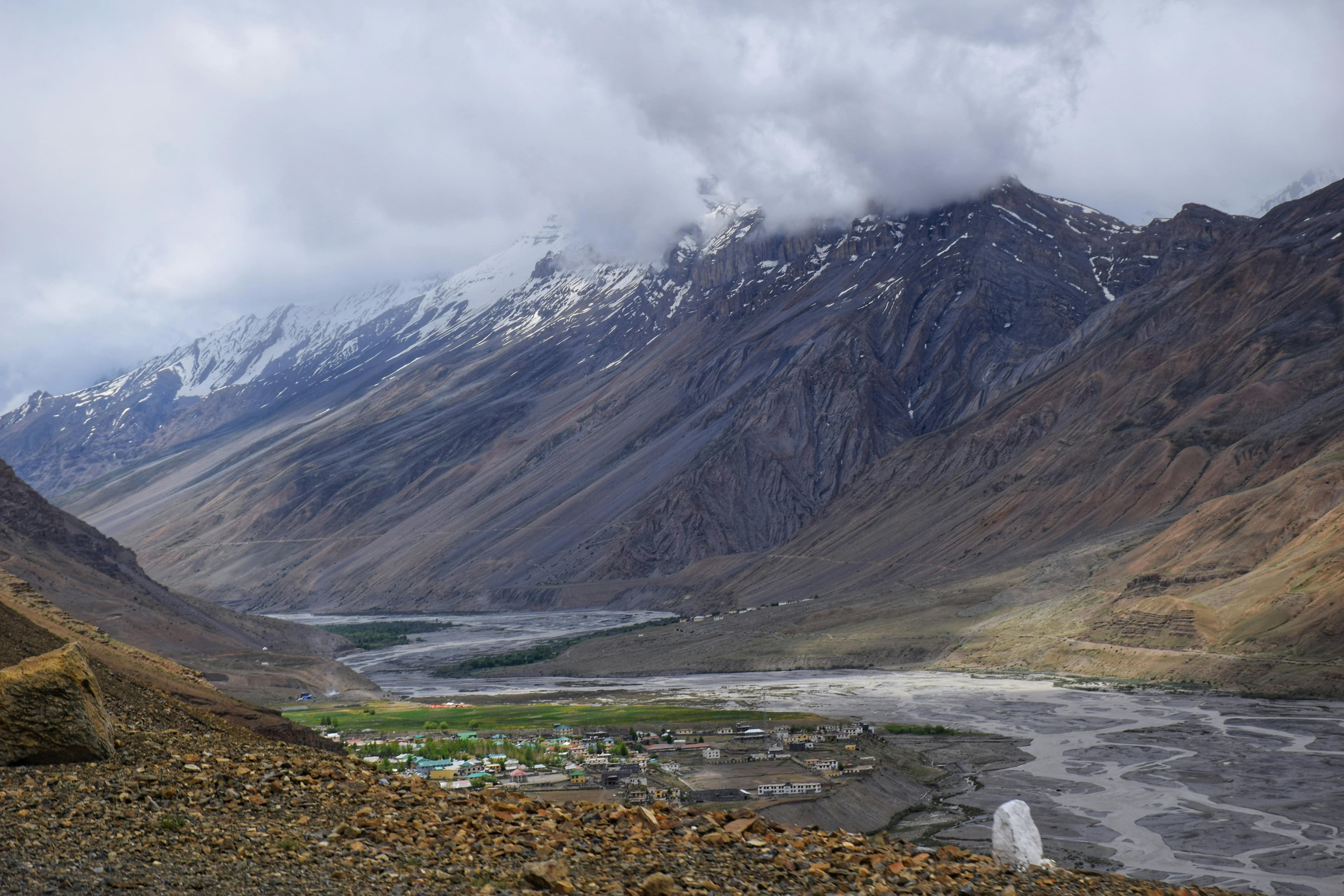
Spiti Valley, located in the northeastern part of Himachal Pradesh, India, is one of the most remote and breathtaking mountain destinations in the Himalayas. Known as the 'Middle Land' between India and Tibet, Spiti is famous for dramatic landscapes, ancient monasteries, high-altitude villages, rugged mountain roads, and unique Buddhist culture.
Situated at elevations ranging from approximately 3,000 to over 4,500 meters above sea level, Spiti Valley offers visitors a rare opportunity to experience some of the most untouched and spectacular scenery in the world. The region attracts adventure travelers, photographers, bikers, trekkers, and cultural explorers seeking an offbeat Himalayan experience.
Kaza serves as the administrative and tourism center of Spiti Valley. Most travelers use Kaza as their base for exploring nearby villages, monasteries, and natural attractions. The town offers hotels, guesthouses, cafés, restaurants, fuel stations, ATMs, and travel services.
One of the most iconic attractions in Spiti Valley is Key Monastery, the largest and most famous monastery in the region. Perched dramatically on a hilltop overlooking the valley, the monastery houses ancient Buddhist scriptures, murals, prayer halls, and monks who continue centuries-old traditions.
Kibber Village, located near Key Monastery, is one of the highest inhabited villages in the world connected by a motorable road. The village offers stunning mountain views, traditional Spitian architecture, and opportunities to experience local culture.
Langza Village is famous for its giant Buddha statue overlooking the valley and its rich collection of marine fossils, which provide evidence that this region was once submerged beneath an ancient ocean millions of years ago.
Hikkim is home to one of the world's highest post offices. Visitors can send postcards to friends and family from this unique location, making it one of the most memorable experiences in Spiti Valley.
Komic Village is among the highest permanently inhabited villages in the world and offers breathtaking views, peaceful surroundings, and traditional Himalayan culture.
Chandratal Lake, often called the 'Moon Lake,' is one of the most beautiful high-altitude lakes in India. Surrounded by mountains and changing colors throughout the day, the lake is a favorite destination for photographers, campers, and nature enthusiasts.
Dhankar Monastery and Dhankar Lake are additional highlights of the region. The monastery sits dramatically on a cliff and provides incredible views of the Spiti and Pin Rivers meeting below.
Pin Valley National Park is known for its unique cold desert ecosystem, rare wildlife, and stunning landscapes. Wildlife enthusiasts may spot Himalayan ibex, blue sheep, red foxes, and various bird species. The elusive snow leopard also inhabits the region, although sightings are extremely rare.
Spiti Valley is a paradise for road-trip enthusiasts. The route from Manali to Kaza passes through some of India's most spectacular mountain scenery, including high-altitude passes, glaciers, rivers, and remote settlements.
The Shimla-Kinnaur-Spiti route is another popular option and is often recommended for gradual acclimatization. This route allows travelers to slowly gain altitude while exploring beautiful Himalayan towns and villages along the way.
Because of the valley's high altitude, acclimatization is extremely important. Travelers should avoid rushing, stay hydrated, and allow their bodies time to adjust to lower oxygen levels, especially during the first few days of their journey.
The best time to visit Spiti Valley is from May to October when roads are generally open and weather conditions are favorable for travel. During winter, heavy snowfall can make many areas inaccessible.
Summer temperatures are pleasant during the day, but nights remain cold even during peak tourist season. Weather conditions can change rapidly, making layered clothing essential throughout the year.
Accommodation options include homestays, guesthouses, boutique hotels, hostels, campsites, and eco-friendly lodges. Staying with local families provides visitors with valuable insights into Spitian culture, traditions, and daily life.
Local cuisine reflects Tibetan and Himalayan influences. Popular dishes include Thukpa, Momos, Tingmo, Butter Tea, Tsampa, and traditional barley-based meals. Many cafés in Kaza also serve Indian and international food.
Spiti Valley is one of India's premier destinations for landscape photography, astrophotography, and cultural photography. The region's clear skies and minimal light pollution create exceptional opportunities for stargazing and Milky Way photography.
Mobile network coverage and internet connectivity can be limited or unavailable in remote parts of the valley. Travelers should download maps, keep offline travel information, and inform family members about potential communication gaps.
Visitors should carry warm clothing, thermal layers, waterproof jackets, sturdy footwear, sunglasses, sunscreen, lip balm, power banks, reusable water bottles, cash, and essential medications. ATM availability may be limited outside major settlements.
Adventure travelers can enjoy trekking, camping, mountain biking, photography expeditions, wildlife observation, village walks, and cultural exploration throughout the valley.
Responsible tourism is crucial in Spiti Valley due to its fragile environment. Visitors should avoid littering, reduce plastic usage, conserve water, respect local customs, and support local businesses whenever possible.
Nearby attractions worth exploring include Chandratal Lake, Pin Valley National Park, Tabo Monastery, Dhankar Monastery, Nako Village, Kalpa, Sangla Valley, and Chitkul.
A 7 to 10-day itinerary is recommended for most travelers, allowing enough time for acclimatization, sightseeing, cultural experiences, photography, and exploration of Spiti Valley's most famous villages and monasteries.
Spiti Valley offers one of the most unique travel experiences in the Himalayas. Its combination of dramatic landscapes, ancient Buddhist heritage, remote mountain villages, and unforgettable road journeys makes it a dream destination for adventurous travelers from around the world.