
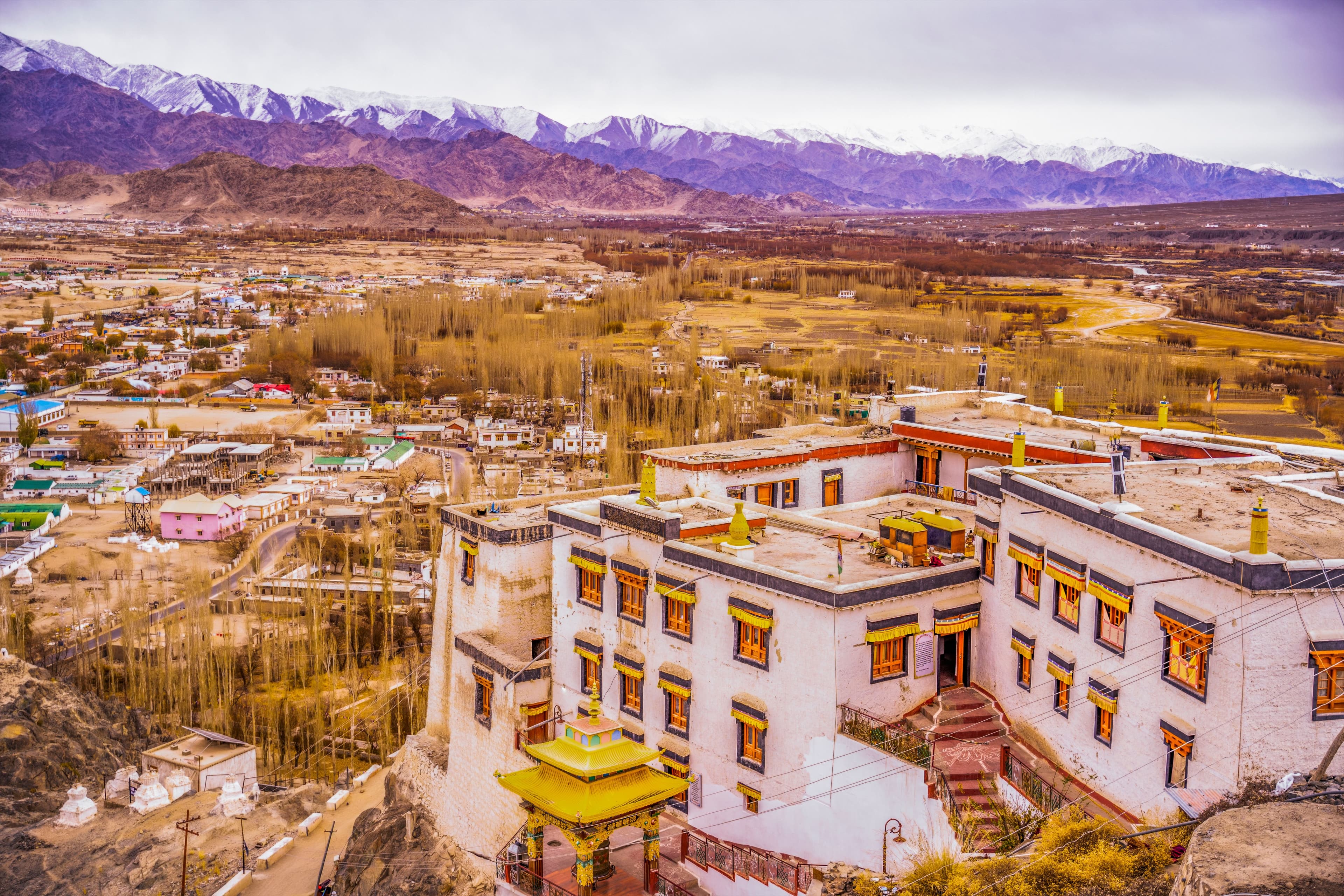
Travel Guide
Leh Ladakh, located in the northernmost region of India, is one of the world's most extraordinary mountain destinations. Surrounded by the Himalayas and Karakoram ranges, Ladakh is famous for dramatic landscapes, crystal-clear lakes, ancient monasteries, high-altitude deserts, and some of the highest motorable roads on Earth.
Often called the 'Land of High Passes,' Ladakh attracts adventure seekers, bikers, photographers, nature lovers, trekkers, and cultural travelers from around the globe. The region offers a unique combination of natural beauty, Tibetan Buddhist heritage, and unforgettable road-trip experiences.
Leh is the largest town and tourism hub of Ladakh. Most visitors begin their journey here, using the town as a base for exploring nearby monasteries, valleys, lakes, and mountain passes. Leh offers a wide range of hotels, guesthouses, restaurants, travel agencies, and essential services.
One of the most important travel tips for first-time visitors is acclimatization. Leh sits at an altitude of approximately 3,500 meters (11,500 feet) above sea level. Travelers should rest for at least 24 to 48 hours after arrival and avoid strenuous activities during the initial days to reduce the risk of altitude sickness.
Pangong Lake is one of Ladakh's most famous attractions and became internationally known after appearing in several films. Stretching across India and China, the lake changes colors throughout the day and offers some of the most spectacular landscapes in the region.
Nubra Valley is another must-visit destination, known for its unique cold desert environment, sand dunes, double-humped Bactrian camels, traditional villages, and stunning mountain scenery. The valley provides a completely different experience compared to the rest of Ladakh.
Khardung La, one of the world's highest motorable mountain passes, is a major attraction for road-trip enthusiasts and motorcyclists. The route offers breathtaking views of surrounding mountain ranges and serves as the gateway to Nubra Valley.
Magnetic Hill is a popular roadside attraction where vehicles appear to move uphill against gravity due to a unique optical illusion created by the surrounding terrain.
Shanti Stupa, perched on a hill overlooking Leh, offers panoramic views of the town and surrounding mountains. Sunrise and sunset are particularly beautiful times to visit.
Leh Palace, a historic royal residence built in the 17th century, provides insight into Ladakh's history and architecture while offering excellent views of the town below.
Ladakh is home to several magnificent Buddhist monasteries, including Hemis Monastery, Thiksey Monastery, Diskit Monastery, Alchi Monastery, Spituk Monastery, and Lamayuru Monastery. These monasteries showcase centuries-old traditions, artwork, festivals, and spiritual practices.
Tso Moriri Lake is a quieter alternative to Pangong Lake and is often preferred by travelers seeking peaceful landscapes and fewer crowds. The lake is surrounded by mountains and supports a variety of high-altitude wildlife.
Adventure enthusiasts can participate in trekking, mountain biking, river rafting on the Zanskar River, camping, ATV rides, wildlife photography, and off-road expeditions throughout the region.
The road journey from Manali to Leh is considered one of the most scenic road trips in the world. Travelers cross high mountain passes, remote valleys, glaciers, and breathtaking landscapes during the journey.
The Srinagar-Leh Highway offers a different but equally impressive route through Kashmir Valley, mountain passes, rivers, and historic settlements before reaching Leh.
The best time to visit Leh Ladakh is from May to September when roads are open, weather conditions are favorable, and most tourist facilities are fully operational. Winter visits are possible but require careful planning due to extreme weather conditions.
Summer daytime temperatures are generally comfortable, while nights can remain cold even during peak tourist season. Weather conditions can change rapidly, making layered clothing essential.
Travelers should carry warm jackets, thermal clothing, gloves, sunglasses, sunscreen, lip balm, reusable water bottles, power banks, personal medications, and basic first-aid supplies.
Certain areas of Ladakh require permits for visitors. Regulations may change periodically, so travelers should verify current permit requirements before their trip. Many hotels and local travel operators can assist with permit arrangements.
Accommodation options include budget guesthouses, backpacker hostels, boutique hotels, luxury camps, traditional homestays, and premium mountain resorts. Advance booking is strongly recommended during the peak travel season.
Local Ladakhi cuisine offers unique flavors influenced by Tibetan culture. Popular dishes include Thukpa, Momos, Skyu, Butter Tea, Tingmo, and traditional barley-based foods. International cuisine is also widely available in Leh.
Wildlife enthusiasts may encounter Himalayan marmots, blue sheep, ibex, Tibetan wild asses, and numerous bird species. The region is also one of the few places where the elusive snow leopard can be found, although sightings are rare.
Photography opportunities are endless in Ladakh. From turquoise lakes and ancient monasteries to dramatic mountain passes and star-filled night skies, the region is considered one of India's top photography destinations.
Responsible tourism is especially important in Ladakh due to its fragile ecosystem. Visitors should avoid littering, minimize plastic waste, respect local customs, conserve water, and support local communities whenever possible.
Popular nearby destinations include Pangong Lake, Nubra Valley, Tso Moriri, Lamayuru, Alchi, Hemis, Kargil, Zanskar Valley, and the Sham Valley region.
A 7 to 10-day itinerary is ideal for most travelers, allowing enough time for acclimatization, sightseeing, cultural exploration, adventure activities, and visits to Ladakh's most iconic attractions.
Leh Ladakh offers one of the most unforgettable travel experiences in the world. Its combination of dramatic landscapes, unique culture, high-altitude adventures, and spiritual heritage makes it a dream destination for travelers seeking something truly extraordinary.