
IndiaTripGuide
Best Time to Visit Kashmir

7 min read · Last updated May 30, 2026

Best Time to Visit Kashmir

Month-by-month Kashmir weather for Srinagar, Gulmarg, Pahalgam, and Sonmarg, so you can pick the right season for snow, sightseeing, or skiing.

Travel Guide

Kashmir isn't one climate, it's four. Srinagar sits in the valley at around 1,585m, Gulmarg is a ski resort at 2,650m, Pahalgam is a river valley at 2,130m, and Sonmarg sits near 2,800m close to the Zoji La pass. That difference in altitude means Gulmarg can be under snow while Srinagar's tulip gardens are already blooming, so 'the best time to visit Kashmir' really depends on which of these four places you're asking about.

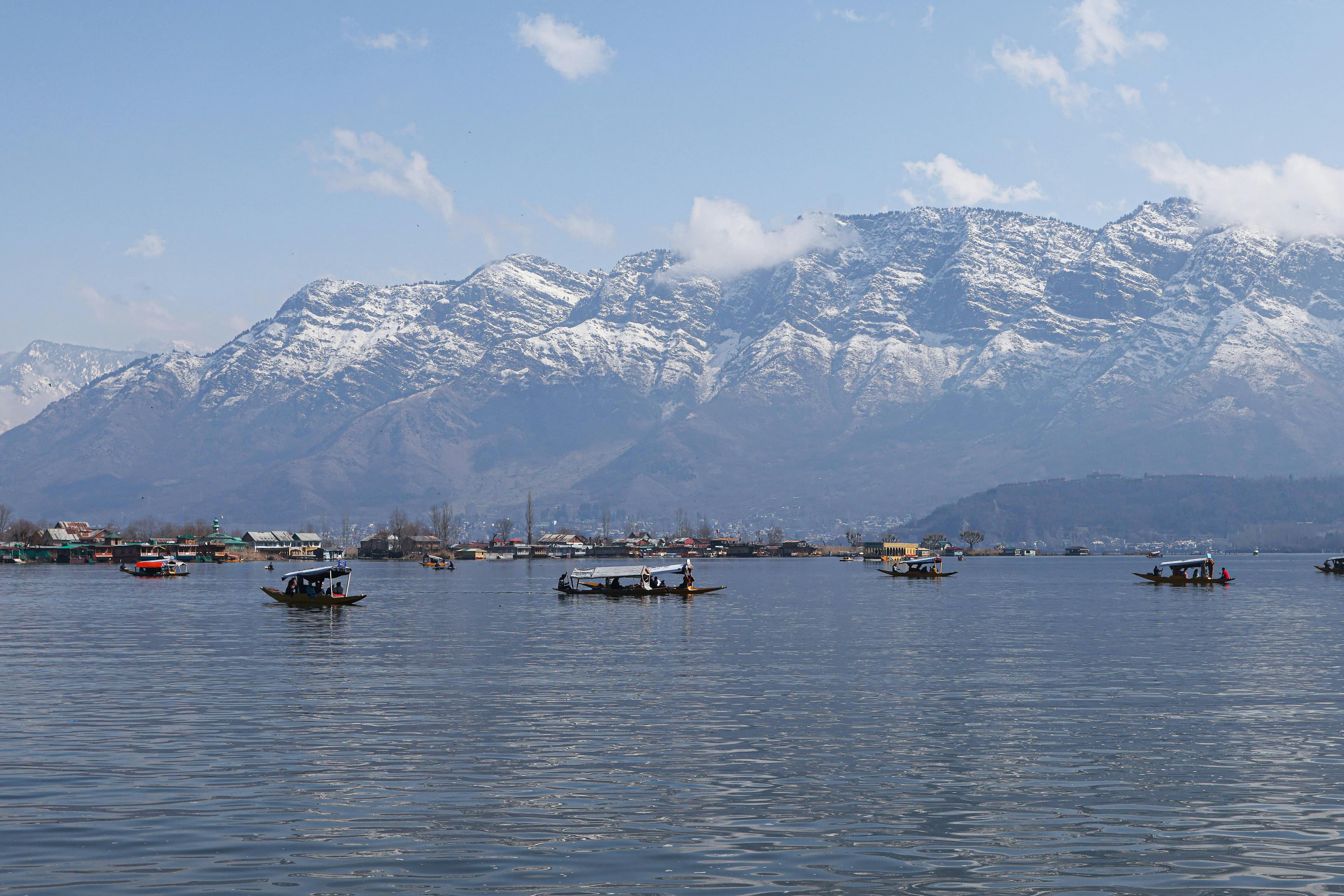
If your priority is snow and skiing, you want Gulmarg between late December and early March. If you want gardens, shikara rides on Dal Lake, and comfortable walking weather, Srinagar and Pahalgam from April through June are a better fit. If you're chasing autumn colour, the chinar trees in Srinagar turn between mid-October and mid-November.

One practical constraint that generic guides skip: Sonmarg's road toward Zoji La is frequently closed by snow from around December to April, and Gulmarg's own approach road can see short closures after heavy snowfall. If your trip depends on reaching Sonmarg or Gulmarg in winter, build in a buffer day and check road status close to your travel date rather than assuming access.

Weather

Weather overview

Srinagar (about 1,585m) sees summer highs near 25-30°C and winter lows that can drop to -2 to -5°C, occasionally colder during a cold snap. Gulmarg (about 2,650m) is 8-10°C cooler than Srinagar year-round and holds reliable snow cover from late December to March. Pahalgam (about 2,130m) is milder than Gulmarg but noticeably cooler than Srinagar, making it comfortable for walking even in peak summer. Sonmarg (near 2,800m) is the coldest of the four and its access road is weather-dependent for much of winter.

Seasons

Season-wise travel guide

Winter

Late December to February is peak season for snow. Gulmarg gets the most reliable snowfall and is where most visitors go for skiing and the gondola (Gulmarg Gondola/cable car), with typical daytime temperatures around -2 to 5°C. Srinagar sees occasional snow but is milder and slushier underfoot; Dal Lake can partially freeze in a hard cold spell. Sonmarg is largely inaccessible by road for general tourism in deep winter due to snow closure toward Zoji La — check current road status before planning a visit there in this window. Pack proper thermal layers, waterproof boots, and gloves; light jackets are not enough.

Summer

May to August is the most comfortable window for sightseeing across all four towns. Srinagar days are pleasant (roughly 20-30°C) and ideal for Dal Lake shikara rides, Mughal gardens (Nishat, Shalimar, Chashme Shahi), and the old city. Pahalgam and Sonmarg stay noticeably cooler and are better for trekking and river-side walks. Gulmarg's snow mostly melts by late May-June except on higher slopes, so it shifts from a ski destination to a base for hiking and the gondola ride up to Kongdoori/Apharwat. This is also peak tourist season, so hotel prices in Srinagar and Gulmarg rise and advance booking matters more than in other months.

Monsoon

Kashmir is largely outside the main Indian monsoon belt, so July-August don't bring the heavy, prolonged rain seen in most of India. Expect intermittent short showers rather than sustained monsoon weather, and travel is generally unaffected. This makes July-August a reasonable, slightly less crowded alternative to the May-June summer peak if you don't need guaranteed clear skies for photography.

Monthly Planner

Month-wise breakdown

January - February

Deep winter, heaviest snow

Best window for skiing in Gulmarg. Srinagar is cold and quieter. Sonmarg is typically not accessible for general tourism due to road closure; confirm current status before planning that leg.

March - April

Late snow easing into spring

Tulip Garden in Srinagar usually blooms in this window (exact dates shift year to year with weather). Gulmarg can still have good snow early March. Roads to Sonmarg typically start reopening later in this period, weather permitting.

May - June

Pleasant, peak tourist season

Best all-round month for covering Srinagar, Gulmarg, Pahalgam, and Sonmarg together. Book houseboats and hotels well in advance — this is the busiest and most expensive window.

July - August

Mild, occasional short showers

Comfortable weather with fewer crowds than May-June, since this period overlaps with school summer break less for domestic travellers. Good value season if you don't mind an occasional short shower.

September - October

Cool, clear, early autumn colour

Good visibility for photography and comfortable trekking weather in Pahalgam and Sonmarg before the cold sets in.

November - December

Turning cold, chinar season into first snow

Peak chinar leaf colour in Srinagar is usually mid-October to mid-November. By December, Gulmarg starts getting its first reliable snow and ski season begins.

Travel Access

How to reach

By Air

Srinagar's Sheikh ul-Alam International Airport (SXR) has direct flights from Delhi, Mumbai, Bengaluru, and other major Indian cities, typically 1-2.5 hours depending on origin. It's the fastest way in and the standard entry point for onward road travel to Gulmarg (about 50km), Pahalgam (about 90km), and Sonmarg (about 80km).

By Road

Srinagar connects to Jammu via NH44 (roughly 270km, 8-10 hours by road), passing through the Jawahar Tunnel/Banihal section, which can see weather-related delays or closures in winter. Most travellers fly into Srinagar and then use taxis or hired cars for the shorter hops to Gulmarg, Pahalgam, and Sonmarg.

By Train

The nearest major railhead is Jammu Tawi, about 300km from Srinagar, connected to Delhi and other cities by regular trains. From Jammu, the onward journey to Srinagar is by road (taxi or bus), so factor in a full extra travel day if arriving by train.

Places

Places covered

Srinagar - Dal Lake & houseboats
Gulmarg - skiing & gondola ride
Pahalgam - Betaab Valley & Lidder river
Sonmarg - Thajiwas Glacier
Nishat & Shalimar Mughal Gardens, Srinagar
Doodhpathri - offbeat meadow day trip

Stay Guide

Where to stay

Budget

Guesthouses and budget hotels in Srinagar's Dalgate/Rajbagh area, roughly ₹1,200-2,500 per night in low season and higher in May-June peak. Prices vary by year and season, so check current rates before booking.

Mid Range

Dal Lake houseboats and 3-star hotels in Srinagar, or mid-range stays in Gulmarg and Pahalgam, typically ₹3,500-7,000 per night depending on season. Houseboats book up early for the May-June and December ski windows.

Luxury

5-star resorts and premium houseboats in Srinagar and ski-in properties in Gulmarg, generally ₹10,000+ per night in peak season. Winter ski-season and May-June rates run highest; shoulder months (July-August, September-October) are comparatively better value.

Trip Cost

Budget breakdown

Backpacker

₹2,500 - ₹4,000 per day

Mid Range

₹5,000 - ₹9,000 per day

Luxury

₹12,000+ per day

Ideal duration

5 to 7 days is enough to cover Srinagar, Gulmarg, Pahalgam, and Sonmarg without rushing — roughly 2 days for Srinagar (Dal Lake, gardens, old city), 1-2 days each for Gulmarg and Pahalgam, and a day trip to Sonmarg. Add 2-3 more days if you want to include offbeat spots like Doodhpathri or a proper trek out of Pahalgam.

Packing List

What to pack

Heavy thermal layers and a proper waterproof winter jacket for December-February

Waterproof, insulated snow boots for Gulmarg and Sonmarg in winter

Light jacket or fleece for summer evenings, even in May-August

Sunglasses and high-SPF sunscreen — UV is stronger at altitude in Gulmarg and Sonmarg

Comfortable walking or light trekking shoes for Pahalgam and Sonmarg

Gloves, woolen cap, and thermal socks for winter or high-altitude day trips

Personal medicines, a power bank, and cash — card acceptance is inconsistent outside Srinagar

Related Travel Guides

Continue planning your India trip

Explore more helpful guides related to this topic.

Smart Advice

Quick Travel Tips

Always verify attraction timings before visiting.

Book hotels early during peak travel season.

Keep some flexibility in your itinerary.

Questions

Frequently Asked Questions

What is the best time to visit Kashmir?

It depends on what you want: May-June is best for comfortable all-round sightseeing across Srinagar, Gulmarg, Pahalgam, and Sonmarg. December-February is best specifically for snow and skiing in Gulmarg, though Sonmarg is often inaccessible by road in that window.

Is Gulmarg colder than Srinagar?

Yes, noticeably. Gulmarg sits at about 2,650m versus Srinagar's roughly 1,585m, so it typically runs 8-10°C cooler year-round and holds snow long after Srinagar has melted out.

Can I visit Sonmarg in winter?

Usually not for general tourism — the road toward Zoji La is frequently snow-closed from around December to April. Check current road status close to your travel date rather than assuming access, especially outside the May-October window.

When does the Tulip Garden bloom in Srinagar?

The Indira Gandhi Memorial Tulip Garden usually blooms in late March to April, but exact dates shift each year depending on weather, so check that year's opening announcement before planning around it.

How many days are enough for Kashmir?

Five to seven days lets you comfortably cover Srinagar, Gulmarg, Pahalgam, and a Sonmarg day trip. Add extra days for trekking around Pahalgam or offbeat spots like Doodhpathri.

Explore Destination

Kashmir

Kashmir is one of India's most breathtaking mountain destinations, known for snow-capped peaks, scenic valleys, Dal Lake, traditional houseboats, Mughal gardens, alpine meadows, skiing in Gulmarg, peaceful villages, and rich Kashmiri culture. It is ideal for honeymooners, families, nature lovers, photographers, adventure travelers, and anyone looking for a memorable Himalayan escape.

View Destination

Ready to plan?

Plan your next India trip smarter.

Explore destinations, itineraries, hotels, and practical travel inspiration.