IndiaTripGuide
Kasol travel guide

Backpacker Village of Himachal

Kasol Travel Guide

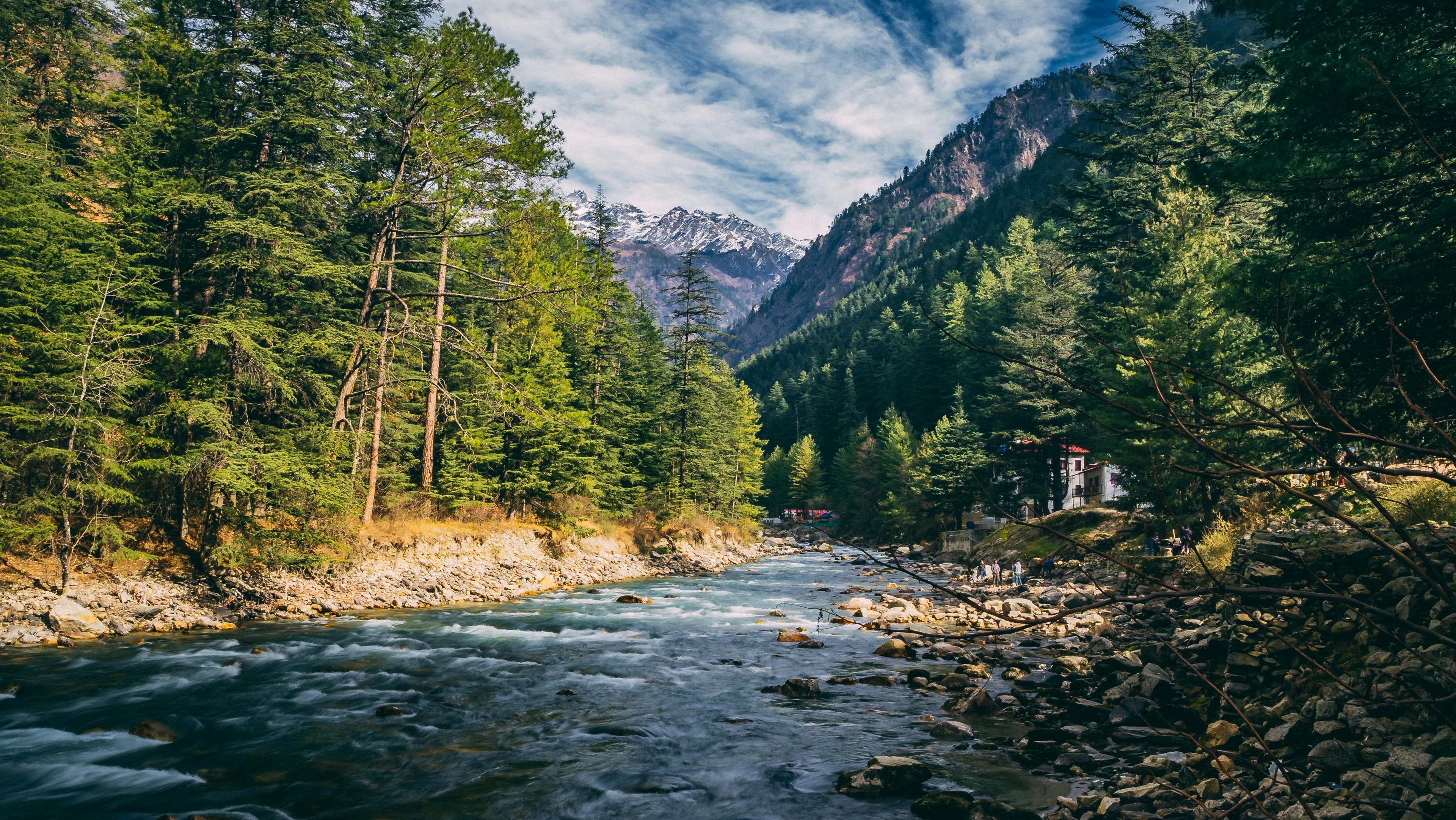
Kasol is a scenic Himalayan village in Himachal Pradesh's Parvati Valley, known for the Parvati River, pine forests, mountain cafés, relaxed backpacker culture, nearby villages, trekking routes, and peaceful valley views. It is ideal for backpackers, solo travelers, couples, nature lovers, trekkers, photographers, digital nomads, and weekend travelers looking for a calm mountain escape away from commercial hill stations.

☀️

Best Time

March to June and October to November

Budget

₹8,000 - ₹20,000

🧭

Duration

2-3 Days

About

Why visit Kasol?

A rich travel overview to help you understand the destination, its travel style, and the best way to experience it.

Kasol is one of Himachal Pradesh's most popular backpacker destinations and sits beautifully beside the Parvati River in Parvati Valley. The village is surrounded by pine forests, mountain slopes, riverside trails, small cafés, guesthouses, and nearby Himalayan villages.

Unlike larger hill stations such as Manali or Shimla, Kasol has a slower and more informal atmosphere. Travelers come here to relax by the river, explore cafés, meet other backpackers, walk to nearby villages, and enjoy mountain views without a very packed sightseeing schedule.

Kasol is often called the Mini Israel of India because of its strong backpacker culture and café scene. Many cafés serve Israeli, Tibetan, Indian, Italian, and continental dishes, making food and café hopping a major part of the Kasol experience.

The Parvati River is the heart of Kasol. Its riverside walks, forest trails, bridges, and peaceful sound create the relaxed mountain mood that makes Kasol different from many other tourist towns.

Kasol also works as a base for exploring nearby villages such as Chalal, Tosh, Kalga, Pulga, Grahan, Rasol, and Malana. Each village offers a different mix of forest trails, traditional homes, mountain cafés, views, and quieter stays.

Treks are another major attraction around Kasol. Kheerganga Trek is the most famous, while Grahan Village Trek, Tosh trails, Chalal walk, Rasol route, and longer treks such as Sar Pass attract adventure travelers during suitable seasons.

Manikaran Sahib, located close to Kasol, adds a spiritual and cultural layer to the trip. The gurudwara is known for hot springs, peaceful surroundings, and langar, and it is one of the most visited places in Parvati Valley.

A good Kasol trip should be slow and flexible. Instead of only treating it as a party or trekking spot, travelers should leave time for riverside relaxation, village walks, local cafés, mountain photography, simple food, and responsible travel in the fragile Himalayan environment.

Season Guide

Best time to visit Kasol

Understand how the destination feels across seasons before choosing your travel dates.

Recommended Season

March to June and October to November are the best times to visit Kasol because the weather is pleasant for riverside walks, café hopping, village exploration, trekking, photography, and short getaways. These months usually offer better visibility and more comfortable conditions than peak monsoon or harsh winter.

❄️

Winter

December to February brings cold weather and peaceful surroundings. Kasol itself may remain accessible, while nearby higher villages such as Tosh, Kalga, Pulga, and Kheerganga routes can become very cold and may receive snow. Winter is good for cozy cafés and quiet stays, but warm clothing is essential.

🌤️

Summer

March to June is one of the most popular seasons in Kasol. The weather is comfortable for trekking, riverside walks, Manikaran visits, village stays, and café exploration. This is also a busy season, so hostels and riverside stays should be booked early during weekends and holidays.

🌧️

Monsoon

July to September brings lush greenery but also rain, slippery trails, rising river levels, landslide risks, and possible road delays. Monsoon is scenic but not ideal for first-time trekkers or travelers who want smooth road access and outdoor activities.

Attractions

Must-visit places in Kasol

The most important places, viewpoints, temples, beaches, markets, landmarks, and nearby attractions to include in your plan.

01

Parvati River

02

Kasol Market

03

Manikaran Sahib

04

Chalal Village

05

Tosh Village

06

Kalga Village

07

Pulga Village

08

Grahan Village

09

Rasol Village

10

Malana

11

Kheerganga Trek

12

Barshaini

13

Parvati Valley

14

Manikaran Hot Springs

15

Kasol Riverside Cafés

16

Tosh Waterfall Area

17

Kutla

18

Sar Pass Trek Route

19

Pin Parvati Pass Route

20

Local Forest Trails

21

Bhuntar

22

Kullu

Experiences

Things to do in Kasol

Use these ideas to create a deeper and more useful travel itinerary.

01

Relax beside the Parvati River and enjoy the peaceful mountain atmosphere

02

Explore Kasol's café culture and try Israeli, Tibetan, Indian, and continental food

03

Walk from Kasol to Chalal through the forest trail beside the river

04

Visit Manikaran Sahib Gurudwara and experience the hot springs and langar

05

Spend a night in Tosh for mountain views and a more remote village vibe

06

Explore Kalga and Pulga for apple orchards, wooden houses, and quieter stays

07

Trek to Kheerganga during the suitable season for hot springs and mountain scenery

08

Visit Grahan Village for a less commercial village trekking experience

09

Take photographs of pine forests, river bridges, cafés, village homes, and mountain trails

10

Shop in Kasol Market for woolens, jewelry, souvenirs, trekking accessories, and handmade items

11

Try local Himachali and Tibetan dishes such as Siddu, Thukpa, Momos, and Trout Fish

12

Enjoy slow café evenings with music, books, mountain views, and relaxed conversations

13

Plan a short nature walk instead of only staying around the market area

14

Use Kasol as a base for exploring Parvati Valley villages

15

Experience backpacker hostel culture and meet travelers from different places

16

Visit Barshaini if continuing towards Tosh, Kalga, Pulga, or Kheerganga

17

Enjoy stargazing on clear nights away from bright market areas

18

Take a day trip towards Malana if road and local conditions allow

19

Work remotely from selected cafés or stays after checking internet reliability

20

Avoid unsafe river spots and enjoy the Parvati River only from safe areas

21

Choose responsible trekking operators for longer routes like Sar Pass or Pin Parvati Pass

22

Travel slowly and respect village life, local customs, and natural surroundings

Food

Local food to try in Kasol

Regional dishes, snacks, drinks, desserts, and food experiences worth trying.

Israeli PlatterShakshukaFalafelHummus with PitaMomosThukpaSidduTrout FishBabruTibetan BreadWood-fired PizzaPancakesFresh Bakery ItemsHimachali MealsMasala ChaiMountain Café Coffee

Transport

How to reach Kasol

✈️

By Air

Bhuntar Airport near Kullu is the nearest airport to Kasol, located around 30 km away. Flight connectivity can be limited, so many travelers prefer reaching Chandigarh or Delhi first and continuing by road. From Bhuntar, taxis and local buses are available towards Kasol.

🚗

By Road

Kasol is best reached by road through Bhuntar and Kullu. Overnight buses from Delhi and Chandigarh usually stop at Bhuntar or nearby points, from where travelers continue by local bus or taxi. Private taxis and self-drive trips are also popular, especially for travelers exploring Tosh, Manikaran, and Parvati Valley villages.

🚆

By Train

Kasol does not have a railway station. Chandigarh and Pathankot are among the nearest major railheads, but most travelers find Chandigarh more practical because of better onward road connectivity. From the railway station, travelers continue by bus, taxi, or private vehicle via Kullu and Bhuntar.

Stay

Where to stay in Kasol

Choose your stay area and accommodation style based on comfort, budget, and itinerary.

🎒

Budget

Budget travelers can stay in hostels, dormitories, guesthouses, and basic lodges in Kasol, Chalal, and nearby areas. These are ideal for backpackers, solo travelers, and people who want easy access to cafés, the river, and local transport.

🏨

Mid-range

Mid-range travelers can choose riverside cottages, boutique hotels, private rooms in hostels, and comfortable mountain stays in Kasol, Chalal, Tosh, Kalga, or Pulga. These offer better comfort, views, food, and a relaxed atmosphere without becoming too expensive.

Luxury

Luxury options are limited compared to mainstream hill stations, but premium cottages, boutique riverside stays, secluded mountain resorts, and private valley-view properties are available around Kasol and Parvati Valley for travelers who want privacy, comfort, scenic views, and curated experiences.

Trip Cost

Kasol budget breakdown

Destination-specific spending guidance for backpacker, mid-range, and luxury travel styles.

🎒

Backpacker

Best for budget trips

₹1,400 - ₹2,800 per person/day including hostel dorm or budget guesthouse, simple café meals, local buses or shared taxis, Kasol market walks, riverside time, Manikaran visit, and Chalal walk.

🏨

Mid-range

Most balanced

₹3,800 - ₹7,200 per person/day including private room or riverside cottage, café hopping, local taxi for Manikaran or Tosh side, selected village stays, comfortable meals, and short guided trekking or local exploration.

Luxury

Premium comfort

₹9,500+ per person/day including premium cottage or boutique valley stay, private transfers from Bhuntar or Manali, curated village excursions, guided trek support, better dining, riverside experiences, and peaceful secluded accommodation.

Planning

Ideal duration for Kasol

Two to three days are enough for a short Kasol trip covering Kasol cafés, Parvati River, Manikaran Sahib, Chalal, and a relaxed local experience. Three to five days are better if you want Tosh, Kalga, Pulga, Grahan, Kheerganga Trek, or a slower backpacking-style Parvati Valley trip.

Nearby

Nearby places from Kasol

Add these places if you want a longer and more complete route.

01

Manikaran Sahib

02

Chalal

03

Tosh

04

Kalga

05

Pulga

06

Grahan Village

07

Rasol

08

Malana

09

Kheerganga

10

Barshaini

11

Kullu

12

Manali

13

Jibhi

14

Tirthan Valley

15

Sar Pass

16

Pin Parvati Pass

Tips

Kasol travel tips

Practical advice to avoid common travel mistakes.

01

Carry cash because ATMs and digital payments may be unreliable in Kasol and nearby villages.

02

Book accommodation early during weekends, long weekends, and peak trekking season.

03

Avoid going close to strong river currents because the Parvati River can be dangerous.

04

Carry warm layers throughout the year because evenings can be cold.

05

Wear comfortable trekking shoes or walking shoes for village trails.

06

Avoid trekking during heavy rain or unsafe weather conditions.

07

Check road conditions before visiting during monsoon or winter.

08

Keep offline maps because network connectivity may become weak in nearby villages.

09

Respect local customs, village rules, and religious places such as Manikaran Sahib.

10

Do not litter near rivers, trails, villages, campsites, or forest areas.

11

Carry a small backpack, water bottle, sunscreen, basic medicines, and power bank.

12

Confirm internet availability before planning remote work from Kasol or nearby villages.

13

Use experienced guides for longer treks such as Sar Pass, Pin Parvati Pass, or less-marked routes.

14

Avoid loud behavior in quiet villages and respect local residents.

15

Start village walks and treks early in the day to return before dark.

16

If traveling with family, choose stays closer to Kasol or Manikaran instead of remote trekking villages.

Related itinerary

3 Days in Kasol Itinerary

A peaceful 3-day Kasol itinerary featuring riverside cafés, mountain scenery, village walks, and relaxing Himalayan experiences. Perfect for backpackers, couples, nature lovers, and travelers seeking a quiet escape in Parvati Valley.

Open itinerary

Related blog

Complete Kasol Travel Guide

Complete Kasol travel guide covering Parvati Valley, nearby villages, trekking routes, cafes, accommodation, best time to visit, how to reach, and essential travel tips for visitors from around the world.

Read blog

Questions

FAQs about Kasol

Answers to common questions travelers ask before planning this trip.

What is Kasol famous for?+

Kasol is famous for Parvati Valley, the Parvati River, backpacker culture, cafés, Israeli food, nearby villages, trekking routes, and peaceful mountain views.

What is the best time to visit Kasol?+

March to June and October to November are the best times to visit Kasol because the weather is pleasant for sightseeing, café hopping, trekking, and village exploration.

How many days are enough for Kasol?+

Two to three days are enough for Kasol, Manikaran, Chalal, and local cafés. Three to five days are better if you want Tosh, Kalga, Pulga, or Kheerganga.

Is Kasol good for solo travelers?+

Yes, Kasol is one of India's most popular destinations for solo travelers and backpackers because of its hostels, cafés, trails, and relaxed travel culture.

Is Kasol good for couples?+

Yes, Kasol is good for couples who enjoy riverside stays, cafés, mountain views, village walks, and peaceful nature experiences.

Is Kasol family-friendly?+

Kasol can be family-friendly if you choose comfortable accommodation and focus on riverside walks, Manikaran Sahib, cafés, and easy village visits instead of difficult treks.

Which trek is most famous near Kasol?+

Kheerganga Trek is the most famous trek near Kasol. It is popular for forest trails, mountain scenery, and hot springs near the top.

Is Kheerganga Trek suitable for beginners?+

Kheerganga can be suitable for beginners with basic fitness, but weather, trail conditions, and season should be checked before starting.

Can Kasol be visited in winter?+

Yes, Kasol can be visited in winter, but temperatures are cold and nearby higher villages or treks may face snow or difficult access.

Can Kasol be visited during monsoon?+

Kasol can be visited during monsoon, but heavy rain may cause slippery trails, landslides, rising river levels, and road delays. It is not ideal for first-time trekkers.

What food should I try in Kasol?+

Try Israeli platters, Shakshuka, Falafel, Momos, Thukpa, Siddu, Trout Fish, Tibetan bread, wood-fired pizza, bakery items, and mountain café coffee.

Where should I stay in Kasol?+

Stay in Kasol for cafés and convenience, Chalal for a quieter riverside vibe, Tosh for mountain views, and Kalga or Pulga for peaceful village stays.

Is Manikaran Sahib worth visiting from Kasol?+

Yes, Manikaran Sahib is very close to Kasol and is worth visiting for its gurudwara, hot springs, langar, and spiritual atmosphere.

Can Kasol and Manali be covered together?+

Yes, Kasol and Manali are often combined in one Himachal trip. Extra days are needed because both areas have many nearby attractions.

Is Kasol expensive?+

Kasol can be budget-friendly with hostels and local cafés, but costs increase with private cottages, taxis, guided treks, and premium riverside stays.