
⭐
Recommended Season
October to March is the best time to visit Jodhpur because the weather is pleasant for fort visits, old-city walks, market shopping, rooftop cafés, desert excursions, and family sightseeing.
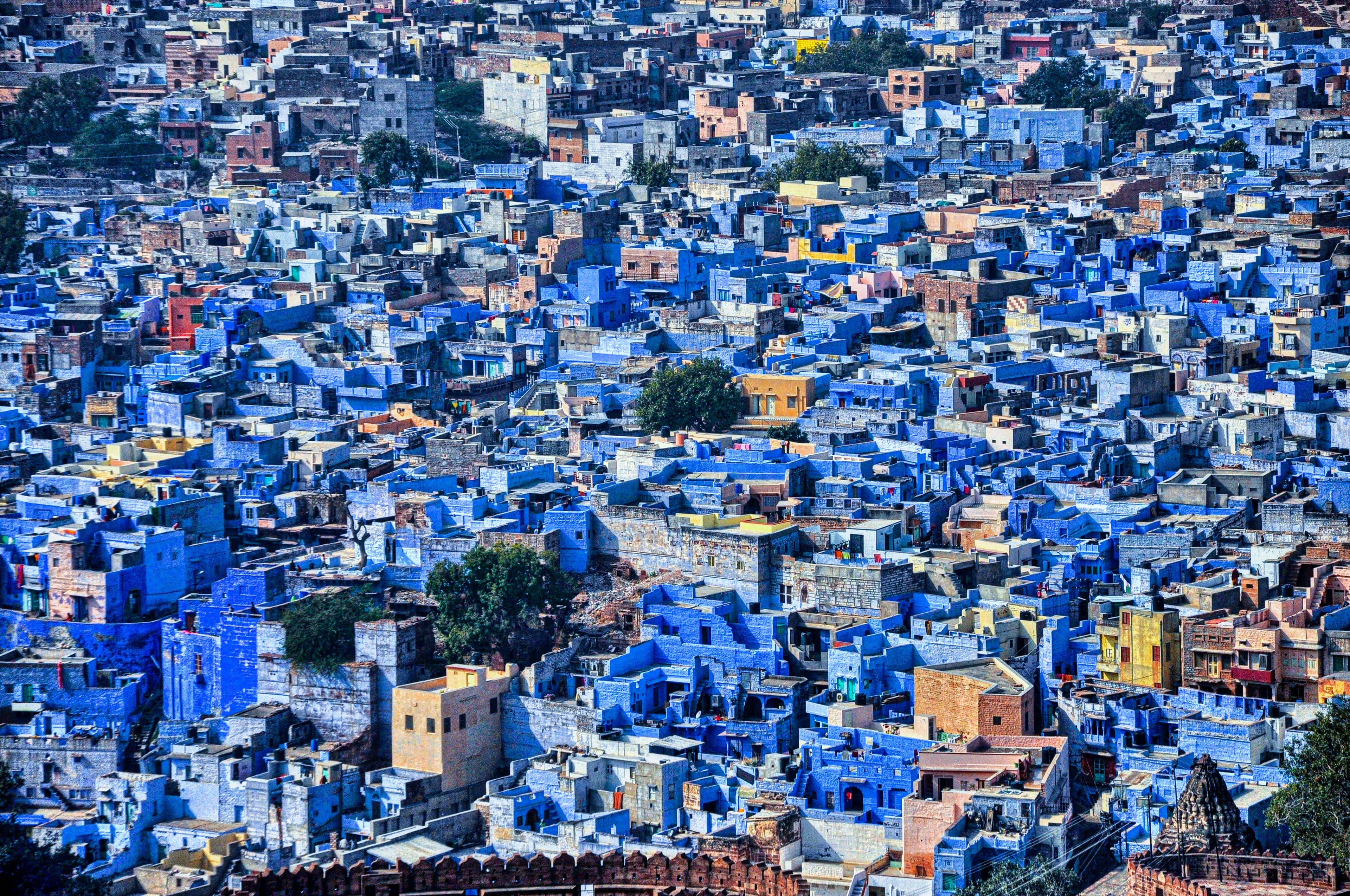
The Blue City
Jodhpur, known as the Blue City of Rajasthan, is one of India's most atmospheric heritage destinations, famous for Mehrangarh Fort, blue-painted old city lanes, royal palaces, stepwells, desert landscapes, rooftop cafés, bustling bazaars, handicrafts, traditional food, and rich Marwari culture. With its dramatic fort skyline, colorful markets, historic architecture, and easy access to desert villages, Jodhpur is ideal for families, couples, photographers, heritage lovers, food travelers, and Rajasthan road-trip itineraries.
Best Time
October to March
Budget
₹10,000 - ₹24,000
Duration
2-3 Days
About
A rich travel overview to help you understand the destination, its travel style, and the best way to experience it.
Jodhpur is one of Rajasthan's most iconic cities and is widely known as the Blue City because many houses in the old city are painted in shades of blue. These narrow lanes, clustered beneath Mehrangarh Fort, create one of the most photogenic old-city landscapes in India.
Mehrangarh Fort dominates the Jodhpur skyline and is one of the finest forts in Rajasthan. Its massive walls, courtyards, museums, palaces, galleries, cannons, and panoramic city views make it the most important attraction in Jodhpur.
The old city around the Clock Tower and Sardar Market is full of local life. Travelers can explore spice shops, textile stores, handicrafts, silver jewelry, leather goods, traditional snacks, and colorful market scenes that reflect the city's living culture.
Jodhpur is also a strong food destination. Mirchi Bada, Makhaniya Lassi, Pyaaz Kachori, Dal Baati Churma, Laal Maas, Rabdi, and traditional Marwari food make the city especially enjoyable for travelers who love regional cuisine.
Jaswant Thada, often called the marble cenotaph of Jodhpur, offers a peaceful contrast to the grandeur of Mehrangarh Fort. Its white marble architecture, gardens, lake views, and quiet atmosphere make it a beautiful stop for families and photographers.
Umaid Bhawan Palace adds another royal dimension to Jodhpur. Part palace, part luxury hotel, and part museum, it showcases the city's 20th-century royal history and gives visitors a glimpse into the lifestyle of the former royal family.
Toorji Ka Jhalra is one of Jodhpur's most attractive stepwells and has become a popular area for photography, cafés, boutique stays, and heritage walks. The surrounding lanes are excellent for slow exploration.
Jodhpur is also a gateway to desert and rural experiences. Bishnoi Village, Osian, Khimsar, and nearby desert landscapes allow travelers to add jeep safaris, village visits, wildlife sightings, temples, and cultural experiences to a city itinerary.
A good Jodhpur trip should balance fort exploration, old-city walking, market shopping, rooftop dining, royal palaces, food experiences, and optional desert village excursions. Two days cover the essentials, while three days allow a richer and more relaxed experience.
Season Guide
Understand how the destination feels across seasons before choosing your travel dates.
October to March is the best time to visit Jodhpur because the weather is pleasant for fort visits, old-city walks, market shopping, rooftop cafés, desert excursions, and family sightseeing.
October to February is the most comfortable season in Jodhpur. Days are pleasant, evenings are cooler, and sightseeing at Mehrangarh Fort, Jaswant Thada, Clock Tower Market, and Bishnoi Village is much more enjoyable. This is also the peak tourist season.
April to June can be extremely hot in Jodhpur, with afternoon sightseeing becoming uncomfortable. If visiting during summer, plan fort visits and markets early in the morning or late in the evening, stay hydrated, and choose hotels with good cooling.
July to September brings limited rainfall compared to many other Indian destinations. The weather becomes slightly better than peak summer, but humidity and heat can still be present. Monsoon can be suitable for budget travelers seeking fewer crowds.
Attractions
The most important places, viewpoints, temples, beaches, markets, landmarks, and nearby attractions to include in your plan.
Mehrangarh Fort
Mehrangarh Fort Museum
Jaswant Thada
Clock Tower
Sardar Market
Toorji Ka Jhalra
Umaid Bhawan Palace Museum
Blue City Lanes
Rao Jodha Desert Rock Park
Mandore Gardens
Pachetia Hill
Navchowkiya Blue Houses
Stepwell Square
Tripolia Market
Mochi Bazaar
Umaid Heritage Art School
Mahamandir Temple
Balsamand Lake
Kaylana Lake
Machia Biological Park
Bishnoi Village
Osian Temples
Khimsar
Mandaleshwar Mahadev Temple
Chamunda Mata Temple
Phool Mahal
Sheesh Mahal
Moti Mahal
Zenana Mahal
Jodhpur Old City Rooftop Cafés
Experiences
Use these ideas to create a deeper and more useful travel itinerary.
Explore Mehrangarh Fort and its museum in detail
Enjoy panoramic views of the Blue City from Mehrangarh Fort
Visit Jaswant Thada for marble architecture and peaceful gardens
Walk through the blue-painted lanes of the old city
Explore Clock Tower and Sardar Market for spices, textiles, and souvenirs
Visit Toorji Ka Jhalra stepwell and nearby cafés
Enjoy rooftop dining with views of Mehrangarh Fort
Visit Umaid Bhawan Palace Museum to learn about royal history
Explore Rao Jodha Desert Rock Park for desert ecology and fort views
Visit Mandore Gardens for cenotaphs, gardens, and history
Try Jodhpur's famous Mirchi Bada and Makhaniya Lassi
Shop for bandhani textiles, mojari shoes, antiques, and handicrafts
Take a heritage walk through the old city
Visit Pachetia Hill or old-city viewpoints for photography
Explore local art and miniature painting workshops
Plan a Bishnoi Village safari for rural culture and nature
Visit Osian for ancient temples and desert landscapes
Take sunset photographs from fort viewpoints or rooftop cafés
Try traditional Rajasthani and Marwari dishes
Visit Kaylana Lake or Balsamand Lake for a relaxed break
Use Jodhpur as a base for Jaisalmer, Osian, or Rajasthan desert routes
Stay in a heritage haveli for a more atmospheric experience
Experience early morning old-city lanes before crowds increase
Visit markets slowly instead of rushing through shopping streets
Combine city sightseeing with village or desert experiences for a fuller trip
Food
Regional dishes, snacks, drinks, desserts, and food experiences worth trying.
Transport
Jodhpur Airport has regular domestic flights from major Indian cities such as Delhi, Mumbai, Bengaluru, and Jaipur, depending on airline schedules. The airport is close to the city center, making air travel convenient for short Rajasthan itineraries.
Jodhpur is well connected by road to Jaipur, Udaipur, Jaisalmer, Bikaner, Ajmer, Pushkar, and Mount Abu. Road travel is popular for Rajasthan circuits, especially routes such as Jaipur-Jodhpur-Jaisalmer or Udaipur-Jodhpur-Jaisalmer.
Jodhpur Junction is a major railway station with strong connectivity to Delhi, Jaipur, Mumbai, Ahmedabad, Jaisalmer, Bikaner, and other Indian cities. Trains are a practical choice for budget and mid-range travelers exploring Rajasthan.
Stay
Choose your stay area and accommodation style based on comfort, budget, and itinerary.
Budget travelers can stay in hostels, guesthouses, and simple heritage havelis near Clock Tower, old city, or railway station areas. These stays are useful for backpackers, solo travelers, and visitors who want walking access to markets and rooftop cafés.
Mid-range travelers can choose boutique havelis, heritage hotels, family hotels, and fort-view stays around the old city, Ratanada, Circuit House Road, and quieter central areas. These usually offer better rooms, rooftop restaurants, parking support, and sightseeing assistance.
Luxury travelers can choose palace hotels, premium heritage properties, luxury resorts, and high-end boutique hotels with fort views, private transfers, fine dining, curated city tours, spa facilities, and a royal Rajasthani hospitality experience.
Trip Cost
Destination-specific spending guidance for backpacker, mid-range, and luxury travel styles.
₹1,700 - ₹3,200 per person/day including hostel or budget haveli stay, local autos, street food, simple meals, Mehrangarh Fort, Clock Tower Market, Toorji Ka Jhalra, and self-guided old-city exploration.
₹4,500 - ₹8,500 per person/day including comfortable heritage hotel, local taxis or app-based transport, monument tickets, rooftop cafés, Mehrangarh Fort guide or audio guide, Jaswant Thada, Umaid Bhawan Museum, shopping, and good restaurants.
₹12,000+ per person/day including premium heritage hotel or palace-style stay, private car with driver, guided city tour, curated old-city walk, Bishnoi Village safari or Osian excursion, fine dining, luxury shopping, and high-comfort hospitality.
Planning
Two to three days are ideal for Jodhpur. A 2-day trip can cover Mehrangarh Fort, Jaswant Thada, Clock Tower Market, Toorji Ka Jhalra, Blue City lanes, rooftop cafés, and Umaid Bhawan Palace Museum. A 3-day trip is better if you want Mandore Gardens, Rao Jodha Desert Rock Park, Bishnoi Village, Osian, relaxed shopping, and a deeper food experience. Four to five days are useful if combining Jodhpur with Jaisalmer, Udaipur, Ranakpur, or a wider Rajasthan road trip.
Nearby
Add these places if you want a longer and more complete route.
Osian
Bishnoi Village
Mandore Gardens
Khimsar
Jaisalmer
Udaipur
Ranakpur Jain Temple
Kumbhalgarh Fort
Pushkar
Ajmer
Bikaner
Mount Abu
Pali
Nagaur
Pokhran
Kaylana Lake
Balsamand Lake
Machia Biological Park
Rao Jodha Desert Rock Park
Jodhpur Old City
Tips
Practical advice to avoid common travel mistakes.
Visit Mehrangarh Fort early in the morning to avoid crowds and harsh sunlight.
Wear comfortable footwear because fort areas, old-city lanes, and markets involve walking.
Carry sunscreen, sunglasses, a cap, and water during daytime sightseeing.
Stay near the old city or Clock Tower if you want easy access to Mehrangarh Fort, markets, stepwell, and rooftop cafés.
Choose a heritage haveli stay if you want a more authentic Jodhpur experience.
Book heritage hotels early during winter and festival season.
Keep cash for small shops, street food, market purchases, and auto-rickshaws.
Bargain politely in local markets, especially for textiles, handicrafts, and souvenirs.
Avoid afternoon sightseeing in summer because the heat can be intense.
Use local guides or audio guides at Mehrangarh Fort for better historical context.
Respect residents while photographing blue houses in the old city.
Plan rooftop café visits around sunset for the best fort views.
If traveling with senior citizens, avoid overly long old-city walks in one stretch.
Keep extra time for traffic and narrow lanes near old-city areas.
Book Bishnoi Village safari or Osian trips with reliable operators.
Check restaurant timings because some old-city cafés may be small and busy during peak season.
Carry a light jacket during winter evenings.
Do not rush Jodhpur as only a stopover between Jaipur and Jaisalmer; the city deserves at least two full days.
Related itinerary
A complete 3-day Jodhpur itinerary covering Mehrangarh Fort, the Blue City, bustling markets, royal palaces, and beautiful rooftop views. Perfect for couples, families, and culture lovers seeking the charm of Rajasthan's Blue City.
Open itineraryRelated blog
Plan an unforgettable Rajasthan road trip covering Jaipur, Jodhpur, Jaisalmer, and Udaipur.
Questions
Answers to common questions travelers ask before planning this trip.
Jodhpur is famous for Mehrangarh Fort, blue-painted old-city houses, Clock Tower Market, Jaswant Thada, Umaid Bhawan Palace, rooftop cafés, handicrafts, and Marwari food.
Jodhpur is called the Blue City because many houses in the old city are painted blue, especially around the areas below Mehrangarh Fort.
October to March is the best time to visit Jodhpur because the weather is pleasant for fort visits, markets, old-city walks, and desert excursions.
Two to three days are enough for Jodhpur. Three days are better if you want Bishnoi Village, Mandore Gardens, Rao Jodha Desert Rock Park, or Osian.
Yes, Jodhpur is suitable for families because it offers forts, museums, markets, palaces, food, heritage hotels, and easy sightseeing options.
Yes, Jodhpur is good for couples because of fort views, heritage stays, rooftop cafés, blue lanes, sunset spots, and romantic old-city atmosphere.
Yes, Jodhpur and Jaisalmer are commonly combined in Rajasthan itineraries, especially for travelers interested in forts, desert camps, and heritage experiences.
Yes, Mehrangarh Fort is one of India's finest forts and is the most important attraction in Jodhpur.
Try Mirchi Bada, Makhaniya Lassi, Pyaaz Kachori, Dal Baati Churma, Laal Maas, Gulab Jamun Ki Sabzi, Ker Sangri, and Mawa Kachori.
Stay near the old city or Clock Tower for heritage atmosphere and easy sightseeing. Choose Ratanada or central areas for easier road access and quieter hotels.
Yes, walking through the blue lanes is one of Jodhpur's most atmospheric experiences, especially for photography and local culture.
Yes, Osian can be visited as a day trip from Jodhpur for temples, desert landscapes, and cultural experiences.
Yes, Bishnoi Village safari is worth considering if you want to experience rural culture, nature, crafts, and village life near Jodhpur.
Jodhpur can fit many budgets. Budget guesthouses and street food are affordable, while palace hotels, private guides, shopping, and luxury experiences increase the cost.
Jaipur is larger and more urban with many monuments, while Jodhpur feels more compact, atmospheric, and fort-focused. Both are excellent but offer different Rajasthan experiences.