
⭐
Recommended Season
October to March is the best time to visit Agra because the weather is pleasant for outdoor sightseeing, Taj Mahal sunrise visits, Agra Fort, Fatehpur Sikri, Mehtab Bagh, local markets, and photography.
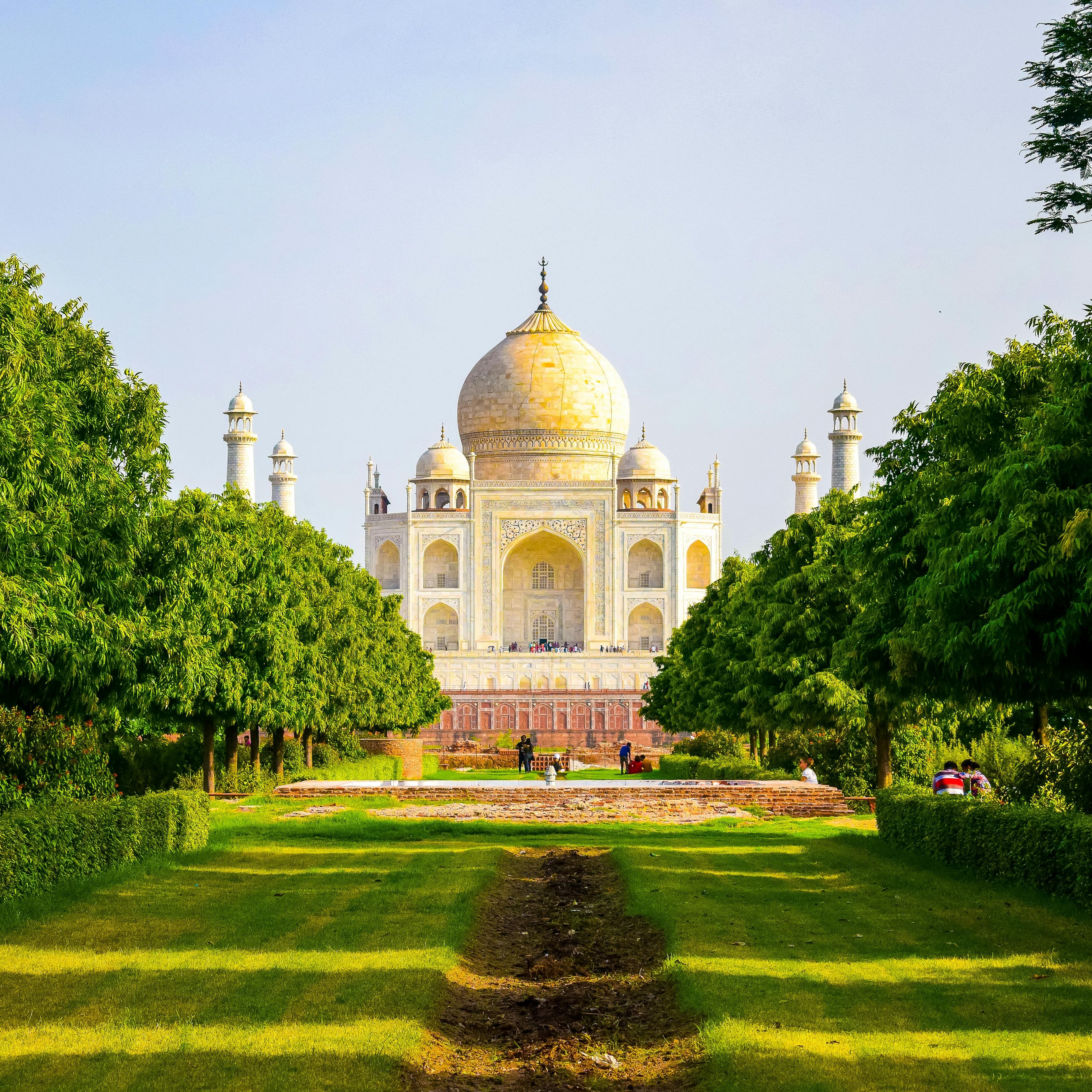
Home of the Taj Mahal
Agra is one of India's most iconic heritage destinations and the home of the world-famous Taj Mahal. Located in Uttar Pradesh, the city is known for Mughal architecture, UNESCO World Heritage monuments, royal forts, riverside gardens, marble craftsmanship, Mughlai cuisine, and its important place in India's Golden Triangle route with Delhi and Jaipur.
Best Time
October to March
Budget
₹7,000 - ₹18,000
Duration
2-3 Days
About
A rich travel overview to help you understand the destination, its travel style, and the best way to experience it.
Agra is one of the most visited cities in India because it is home to the Taj Mahal, one of the world's most recognized monuments and a symbol of love, architecture, and Mughal artistry. For many first-time visitors to India, Agra is an essential part of the travel route.
The city was once a major center of the Mughal Empire, and that history is visible in its forts, tombs, gardens, gates, mosques, and old neighborhoods. Agra Fort, Fatehpur Sikri, Itimad-ud-Daulah, Mehtab Bagh, and Akbar's Tomb all add depth beyond the Taj Mahal.
Agra is especially important on India's Golden Triangle circuit, which connects Delhi, Agra, and Jaipur. This makes it easy to combine with North India's most popular heritage destinations and is one reason why it receives both Indian and international visitors throughout the year.
The Taj Mahal is best experienced slowly. Sunrise visits are popular because the light is soft, temperatures are cooler, and the monument feels more peaceful before peak crowds arrive. Sunset views from Mehtab Bagh offer a different perspective across the Yamuna River.
Agra Fort is another major highlight and deserves enough time. Its red sandstone walls, palaces, audience halls, courtyards, and views towards the Taj Mahal help visitors understand the power and scale of Mughal imperial life.
Fatehpur Sikri, located outside the main city, is a remarkable day-trip site. Once the capital of Emperor Akbar, it contains Buland Darwaza, Jama Masjid, Panch Mahal, Diwan-i-Khas, and many examples of Mughal planning and architecture.
Agra is also known for food and crafts. Mughlai dishes, kebabs, biryani, Bedai, Jalebi, Dalmoth, and the famous Agra Petha are important parts of the local experience. Markets sell marble inlay work, leather goods, carpets, textiles, and miniature Taj Mahal souvenirs.
A good Agra trip should not be limited to a quick Taj Mahal photo stop. With two to three days, travelers can experience sunrise, sunset, monuments, food, markets, river views, and nearby heritage sites at a more meaningful pace.
Season Guide
Understand how the destination feels across seasons before choosing your travel dates.
October to March is the best time to visit Agra because the weather is pleasant for outdoor sightseeing, Taj Mahal sunrise visits, Agra Fort, Fatehpur Sikri, Mehtab Bagh, local markets, and photography.
October to February offers the most comfortable weather for Agra. Morning visits to the Taj Mahal and daytime sightseeing are easier during this season. Some winter mornings can be foggy, so travelers should keep flexibility if sunrise photography is a priority.
March to June is very hot, with afternoon temperatures often becoming uncomfortable for monument visits. If traveling in summer, visit the Taj Mahal and Agra Fort early in the morning, take afternoon breaks, carry water, and avoid long exposure to the sun.
July to September brings occasional rain, humidity, greener gardens, and fewer tourists. This season can be useful for budget travelers, but visitors should carry rain protection and check the weather before planning outdoor photography.
Attractions
The most important places, viewpoints, temples, beaches, markets, landmarks, and nearby attractions to include in your plan.
Taj Mahal
Agra Fort
Mehtab Bagh
Fatehpur Sikri
Itimad-ud-Daulah
Akbar's Tomb
Jama Masjid
Taj Nature Walk
Sikandra
Mariam's Tomb
Kinari Bazaar
Sadar Bazaar
Taj Ganj
Yamuna River Viewpoints
Chini Ka Rauza
Anguri Bagh
Musamman Burj
Buland Darwaza
Panch Mahal
Tomb of Salim Chishti
Agra Marble Markets
Wildlife SOS Bear Rescue Facility
Experiences
Use these ideas to create a deeper and more useful travel itinerary.
Visit the Taj Mahal at sunrise for soft light and cooler weather
Explore Agra Fort and its palaces, courtyards, audience halls, and river views
Watch sunset over the Taj Mahal from Mehtab Bagh
Take a day trip to Fatehpur Sikri to explore Mughal-era planning and architecture
Visit Itimad-ud-Daulah, often called the Baby Taj, for delicate marble work
Explore Akbar's Tomb at Sikandra for a quieter Mughal heritage experience
Walk through Taj Nature Walk for greenery and different views of the Taj area
Try Mughlai food including kebabs, biryani, korma, and rich curries
Taste Agra Petha, Dalmoth, Bedai, Jalebi, and local snacks
Shop for marble inlay work, leather products, carpets, jewelry, and handicrafts
Hire a knowledgeable guide at major monuments for better historical context
Visit Sadar Bazaar or Kinari Bazaar for food, souvenirs, and local shopping
Take photographs of Mughal architecture, gardens, arches, and riverfront views
Plan Taj Mahal and Agra Fort on the same day for a strong heritage-focused experience
Visit Fatehpur Sikri early to avoid heat and crowds
Enjoy rooftop dining or cafés with views of the Taj Mahal where available
Explore Jama Masjid and nearby old city markets
Use Agra as part of a Delhi-Agra-Jaipur Golden Triangle itinerary
Combine Agra with Mathura, Vrindavan, or Bharatpur if you have extra time
Visit local artisan stores to understand marble inlay craftsmanship
Experience both sunrise and sunset views of the Taj Mahal if staying overnight
Plan a slower 2 to 3-day trip instead of only doing a rushed day visit
Food
Regional dishes, snacks, drinks, desserts, and food experiences worth trying.
Transport
Agra Airport has limited flight connectivity, so many travelers use Delhi's Indira Gandhi International Airport as the main gateway. From Delhi, Agra can be reached by expressway, train, or private transfer. This is the most practical option for international visitors and Golden Triangle travelers.
Agra is well connected by the Yamuna Expressway, Agra-Lucknow Expressway, and national highways. Delhi to Agra by road is a popular route and usually takes around 3 to 4 hours depending on traffic. Agra is also connected by road to Jaipur, Lucknow, Mathura, Vrindavan, and Bharatpur.
Agra Cantt Railway Station is the main railway station and has excellent connectivity with Delhi, Jaipur, Varanasi, Lucknow, Mumbai, Kolkata, and other major cities. Fast trains from Delhi make Agra one of the easiest heritage destinations to reach by rail.
Stay
Choose your stay area and accommodation style based on comfort, budget, and itinerary.
Budget travelers can stay in guesthouses, hostels, and simple hotels around Taj Ganj, Fatehabad Road, and Agra Cantt. Taj Ganj is useful for travelers who want to reach the Taj Mahal early in the morning without long transfers.
Mid-range travelers can choose comfortable hotels, boutique properties, family hotels, and Taj-view stays around Fatehabad Road, East Gate Road, Taj Ganj, and Civil Lines. These areas offer better access to monuments, restaurants, and transport.
Luxury travelers can choose premium hotels, heritage-style properties, international chains, and high-end stays with Taj Mahal views. These are best for couples, families, and travelers who want comfort, fine dining, private transfers, and premium hospitality.
Trip Cost
Destination-specific spending guidance for backpacker, mid-range, and luxury travel styles.
₹1,400 - ₹2,800 per person/day including budget guesthouse or hostel stay, shared autos or e-rickshaws, street food, selected monument tickets, local markets, and basic sightseeing around Taj Ganj and Agra Fort.
₹3,800 - ₹7,800 per person/day including comfortable hotels, private local transport, Taj Mahal and Agra Fort entry, Mehtab Bagh visit, restaurants, shopping, and a guided or semi-guided heritage experience.
₹10,500+ per person/day including premium hotels or Taj-view stays, private chauffeur-driven transfers, licensed guides, curated monument visits, fine dining, artisan shopping, and a comfortable Fatehpur Sikri or Mathura-Vrindavan excursion.
Planning
Two to three days are ideal for Agra. A one-day trip from Delhi can cover the Taj Mahal and Agra Fort, but it feels rushed. Two days allow sunrise at the Taj Mahal, Agra Fort, Mehtab Bagh, local food, and markets. Three days are better if you want to add Fatehpur Sikri, Itimad-ud-Daulah, Akbar's Tomb, or a nearby Mathura-Vrindavan or Bharatpur extension.
Nearby
Add these places if you want a longer and more complete route.
Fatehpur Sikri
Mathura
Vrindavan
Bharatpur Bird Sanctuary
Delhi
Jaipur
Gwalior
Etmadpur
Chambal Safari Area
Wildlife SOS
Keoladeo National Park
Deeg Palace
Govardhan
Barsana
Lucknow
Dholpur
Tips
Practical advice to avoid common travel mistakes.
Visit the Taj Mahal early in the morning to avoid heat and heavy crowds.
Book monument tickets online in advance where possible.
The Taj Mahal is closed on Fridays for general tourists, so plan your dates carefully.
Carry valid ID proof for monument entry and hotel check-ins.
Wear comfortable shoes because Agra's monuments involve long walks.
Avoid peak afternoon sightseeing during summer.
Carry sunscreen, sunglasses, a hat, and a reusable water bottle.
Hire only licensed guides or verified tour operators near major monuments.
Be careful with aggressive touts around tourist-heavy areas.
Keep cash for small vendors, parking, local transport, and markets.
Plan Fatehpur Sikri as a half-day or full-day excursion because it is outside the main city.
Stay near Taj Ganj or Fatehabad Road for easy Taj Mahal access.
Use Mehtab Bagh for sunset photography instead of rushing back to the main Taj complex.
Respect monument rules and avoid touching or damaging historical structures.
Check fog conditions in winter if sunrise photography is important to you.
If visiting from Delhi as a day trip, start very early to make the most of the day.
Related itinerary
A heritage-rich 3-day Agra itinerary covering the Taj Mahal, Agra Fort, Mehtab Bagh, Fatehpur Sikri, local markets, and authentic Mughlai cuisine. Perfect for history lovers, families, couples, and first-time visitors exploring India's Mughal legacy.
Open itineraryRelated blog
Complete Agra travel guide covering the Taj Mahal, Agra Fort, Fatehpur Sikri, local food, accommodation, best time to visit, how to reach, travel costs, and practical tips for visitors from around the world.
Questions
Answers to common questions travelers ask before planning this trip.
Agra is famous for the Taj Mahal, Agra Fort, Fatehpur Sikri, Mughal architecture, marble handicrafts, Mughlai food, Agra Petha, and the Golden Triangle route.
October to March is the best time to visit Agra because the weather is more comfortable for monument visits, photography, and outdoor sightseeing.
Two to three days are ideal for Agra. One day can cover the Taj Mahal and Agra Fort, but two or three days give a better experience.
Sunrise is the best time to visit the Taj Mahal because the light is soft, temperatures are cooler, and crowds are usually lower than later in the day.
Yes, the Taj Mahal is closed to general tourists on Fridays. Travelers should plan their Agra itinerary accordingly.
Yes, Agra is commonly visited as a day trip from Delhi by expressway or fast train, but staying overnight gives a better chance to see the Taj Mahal at sunrise.
Yes, Agra is part of India's Golden Triangle route along with Delhi and Jaipur.
Yes, Agra is suitable for families because it offers heritage monuments, gardens, local food, easy transport, and educational experiences.
Yes, Agra is popular among couples because of the Taj Mahal, sunset views, heritage hotels, rooftop restaurants, and romantic history.
Agra Fort, Mehtab Bagh, Fatehpur Sikri, Itimad-ud-Daulah, Akbar's Tomb, Jama Masjid, and local markets are worth visiting.
Try Agra Petha, Bedai with Aloo Sabzi, Mughlai Biryani, Kebabs, Paratha, Dalmoth, Jalebi, and Mughlai curries.
Stay around Taj Ganj, East Gate Road, or Fatehabad Road for easy Taj Mahal access. Civil Lines and Agra Cantt areas are also practical for transport.
Yes, Fatehpur Sikri is worth visiting for its Mughal architecture, Buland Darwaza, Jama Masjid, Panch Mahal, and historical importance.
Agra can fit different budgets. Budget travelers can stay in guesthouses and use local transport, while luxury travelers can choose Taj-view hotels and private guided tours.
Yes, Agra can be combined with Mathura and Vrindavan, especially for travelers interested in heritage, temples, and North Indian culture.