
Travel Guide
Agra, located in the northern Indian state of Uttar Pradesh, is one of the most visited cities in India and a must-see destination for travelers exploring the country's rich history and architectural heritage. The city is best known for the Taj Mahal, one of the Seven Wonders of the World and a UNESCO World Heritage Site.
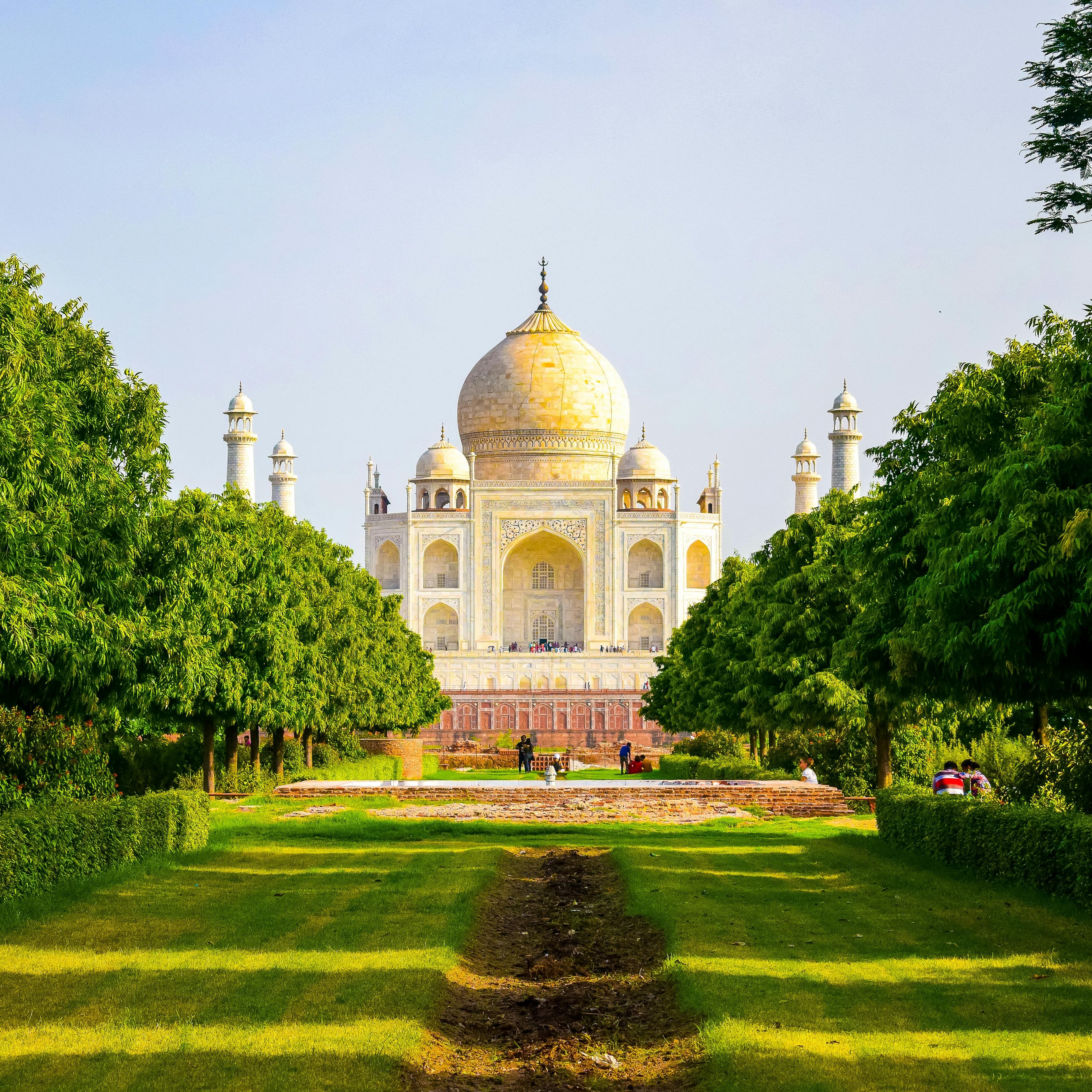
Built by Mughal Emperor Shah Jahan in memory of his wife Mumtaz Mahal, the Taj Mahal is considered one of the most beautiful monuments ever created. Its white marble architecture, intricate carvings, symmetrical gardens, and romantic history attract millions of visitors from around the world every year.
Sunrise is widely regarded as the best time to visit the Taj Mahal. Early morning visits offer cooler temperatures, softer lighting for photography, and fewer crowds. Sunset visits can also provide stunning views, especially during winter and clear weather conditions.
Visitors should allocate sufficient time to explore the Taj Mahal complex, including the main mausoleum, gardens, reflecting pools, mosque, and surrounding structures. Hiring a knowledgeable guide can help travelers better understand the monument's history and architectural significance.
Agra Fort is another UNESCO World Heritage Site and one of India's most impressive Mughal forts. Built primarily from red sandstone, the fort contains palaces, courtyards, audience halls, mosques, and royal residences that once served as the seat of the Mughal Empire.
The fort offers spectacular views of the Taj Mahal from certain sections and provides valuable insight into Mughal history, architecture, and royal life.
Mehtab Bagh, located across the Yamuna River from the Taj Mahal, is one of the best places to enjoy panoramic views of the monument. Many photographers visit Mehtab Bagh during sunset to capture unique perspectives of the Taj Mahal away from the main crowds.
Fatehpur Sikri, situated approximately 40 kilometers from Agra, is another UNESCO World Heritage Site and one of India's finest examples of Mughal architecture. Once the capital of Emperor Akbar, the city features remarkable structures such as Buland Darwaza, Jama Masjid, Panch Mahal, Diwan-i-Khas, and the Tomb of Salim Chishti.
History enthusiasts should also consider visiting Itimad-ud-Daulah, often called the 'Baby Taj.' This elegant marble mausoleum is believed to have inspired many design elements later used in the Taj Mahal.
Akbar's Tomb in Sikandra is another important historical site showcasing a blend of Hindu, Islamic, Buddhist, and Christian architectural influences.
Agra is a major highlight of India's famous Golden Triangle tourist circuit, which connects Delhi, Agra, and Jaipur. Many international visitors include Agra as part of a broader North India itinerary.
The best time to visit Agra is from October to March when temperatures are pleasant and ideal for sightseeing. Winter mornings can be foggy, but daytime conditions are generally comfortable for exploring outdoor attractions.
Summer temperatures from April to June can become extremely hot, often exceeding 40°C (104°F). Travelers visiting during this period should carry sufficient water, sunscreen, hats, and light clothing.
Agra is well connected by air, rail, and road. The city can be reached easily from Delhi via the Yamuna Expressway, making it a popular day trip as well as a weekend destination.
Agra Cantt Railway Station provides excellent connectivity with major Indian cities including Delhi, Jaipur, Mumbai, Varanasi, Lucknow, and Kolkata.
Accommodation options range from budget guesthouses and backpacker hostels to luxury hotels offering direct views of the Taj Mahal. Travelers can choose from heritage hotels, boutique properties, international chains, and family-friendly accommodations.
Food lovers will find a variety of culinary experiences in Agra. The city is famous for Mughlai cuisine, including dishes such as kebabs, biryani, korma, and rich curries influenced by the Mughal era.
Agra Petha, a sweet made from ash gourd, is the city's most famous specialty and a popular souvenir for visitors. Other local favorites include Bedai, Jalebi, Dalmoth, and traditional North Indian snacks.
Shopping enthusiasts can explore markets known for marble handicrafts, leather goods, carpets, jewelry, textiles, miniature Taj Mahal replicas, and traditional artisan products.
Photography enthusiasts should carry a camera with ample storage space, as Agra offers countless opportunities for capturing historic monuments, gardens, architecture, street scenes, and cultural experiences.
Visitors should respect monument rules, avoid touching historical structures, dispose of waste responsibly, and support local artisans and businesses whenever possible.
Nearby destinations worth exploring include Mathura, Vrindavan, Bharatpur Bird Sanctuary, Fatehpur Sikri, and Delhi, making Agra an excellent base for exploring northern India.
A 2 to 3-day itinerary is ideal for most travelers, allowing enough time to visit the Taj Mahal, Agra Fort, Mehtab Bagh, Fatehpur Sikri, local markets, and enjoy the city's culinary experiences.
Agra remains one of the world's most iconic travel destinations, offering a unique combination of history, architecture, culture, cuisine, and unforgettable experiences centered around one of humanity's greatest monuments—the Taj Mahal.